Why Subjective Well-Being Data is the Ultimate Tool for Kinship Caregivers
Subjective well-being data kinship caregivers is the missing link that transforms individual kinship caregiver struggles into undeniable evidence for systemic reform. By capturing the emotional, psychological, and financial realities of grandparents raising grandchildren, researchers like Dr. Jill Bryant are building the empirical foundation needed to demand structural child welfare changes, better legal representation, and equitable federal funding for families.
Key Takeaways
- Subjective well-being metrics capture the true psychological toll of second-time parenting and trauma recovery.
- Government agencies currently lack comprehensive demographic and well-being data on kinship adoptive families.
- Quantitative and qualitative caregiver data serves as leverage to overhaul broken child protective services (CPS) systems.
- Institutional bias assumes older adults are at fault when adult children struggle, creating hidden layers of caregiver shame.
- Participating in targeted research surveys directly supplies advocates with the ammunition needed for legislative reform.
The Power of Subjective Well-Being Data in Kinship Care
When grandparents step in to raise their grandchildren, they are immediately thrust into a whirlwind of legal battles, school integrations, and crisis management. Yet, while the physical and financial hurdles are frequently discussed, the psychological landscape of the caregiver is often ignored. Subjective well-being research measures how older adults experience their lives, balancing the profound joy of rescuing a child with the heavy grief of losing a peaceful retirement and watching an adult child suffer.
For decades, lawmakers and child welfare agencies have operated in a vacuum, relying on cold, bureaucratic case numbers rather than human realities. When advocates push for increased funding or policy changes, they are often met with skepticism unless they can back their claims with rigorous, peer-reviewed data. Capturing the subjective experiences of kinship caregivers bridges this gap, translating personal heartbreak into undeniable policy arguments.
Why the System Ignores Caregiver Mental Health
The traditional child welfare model views kinship caregivers as an infinite, free safety net. Because grandparents step up out of love and obligation, the system assumes they will inherently absorb all emotional and financial shocks without breaking. This oversight ignores the physiological and emotional toll of parenting a second time—especially when dealing with children who have experienced severe trauma, prenatal drug exposure, or abandonment.
Furthermore, systemic failures within child protective services often exacerbate caregiver stress. As highlighted in discussions with counseling experts, CPS decisions frequently happen inside a closed "black box" with little oversight. Grandgivers are left to navigate complex legal mazes without financial aid, all while managing their own secondary trauma. Without data proving how deeply this impacts mental health, the government has little incentive to provide systemic relief.
Combating Institutional Shame Through Research
One of the most insidious barriers kinship caregivers face is institutional and societal shame. Judges, caseworkers, and even extended family members frequently harbor outdated biases, assuming that an adult child's struggles are a direct reflection of poor parenting. This antiquated thinking places an unfair psychological burden on grandparents, who internalize blame while trying to heal a traumatized child.
Research into subjective well-being validates a complex psychological truth: humans can hold disparate thoughts simultaneously. A grandparent can feel intense, crushing resentment over the loss of their freedom while simultaneously experiencing profound joy in nurturing their grandchild. Documenting these dialectical emotional realities proves that caregiver distress is not a failure of character, but a predictable response to an unsupported, high-stress environment.
The Danger of Backward Thinking in Family Law
In many courtrooms, the balance of power heavily favors state agencies over family members. Without financial resources or specialized legal representation, everyday grandparents are routinely outmatched by county attorneys and guardians ad litem. Research that highlights the vulnerability of older adults helps expose these systemic imbalances. When data demonstrates that only those with significant financial privilege or specialized professional backgrounds can successfully fight the system, it becomes clear that legal reform is an urgent civil rights issue.
How Caregivers Can Drive Structural Change
Change does not happen by suffering in silence. The 2.7 million kinship families in the United States represent a massive, yet underutilized, political force. Transforming this population from a passive safety net into an active engine for policy change requires actionable participation in research initiatives.
When researchers launch surveys focused on the subjective well-being of grandparents raising grandchildren, every completed response adds a voice to a collective movement. This data provides the exact ammunition advocates need to demand holistic overhauls, including:
- Equitable, long-term financial assistance that extends through higher education.
- Specialized trauma-informed counseling models tailored specifically for kinship families.
- Independent community oversight boards to monitor CPS decision-making.
- Mandatory legal representation and structural support for relative caregivers from day one.
Conclusion
You are the Invisible CEO of your family, but you do not have to lead in the dark. Gathering real-world data is our strongest weapon against a flawed child welfare system that treats families like case numbers. To dive deeper into how academic research and personal resilience intersect in the kinship journey, Listen to the full episode to uncover more insights from experts dedicated to rewriting the future for grandparent-led households.
Frequently Asked Questions
What is subjective well-being data in the context of kinship care?
Subjective well-being data measures how kinship caregivers emotionally and psychologically experience second-time parenting, capturing the balance of trauma, grief, joy, and stress rather than just basic financial metrics.
Why is data crucial for reforming child protective services?
Government agencies and legislators rely on empirical evidence to allocate funding and pass laws. Concrete data proves that current CPS practices and lack of support for kinship families are systemic issues rather than isolated incidents.
How does institutional bias affect grandparents raising grandchildren?
Outdated judicial and social biases often lead professionals to blame grandparents for an adult child's struggles, creating unnecessary shame and ignoring modern behavioral genetics and systemic failures.
What are the primary policy changes needed for kinship caregivers?
Key policy demands include equitable, long-term financial support, specialized trauma-informed counseling for older caregivers, and independent community oversight boards to review CPS custody decisions.
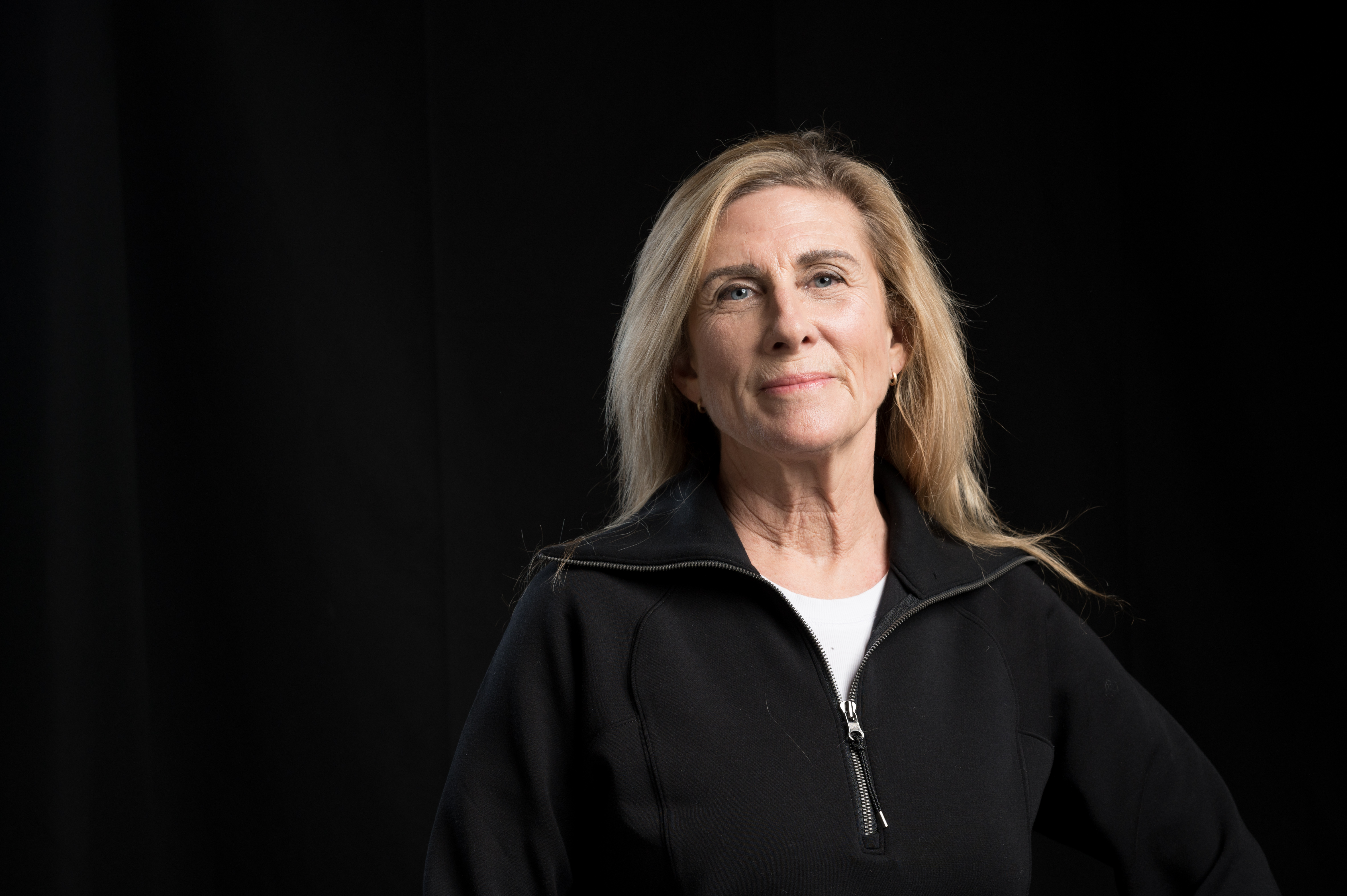
CEO/Host/Kinship Care Expert
Host - Grandparents Raising Grandchildren: Nurturing Through Adversity podcast.
Laura Brazan/ Kinship Care Expert- is the founder of The 2.7 Million Project and the voice of the Invisible CEO. After trading her own "planned retirement" for the high-stakes mission of kinship care, she now empowers grandparents to reclaim their identity as the chief executives of their family’s future. Laura provides the tactical frameworks and "Executive Soul" required to lead the next generation with resilience, intentionality, and a clear vision.

 RSS Feed
 Apple Podcasts
 Spotify