Reclaiming the Neuroaffirming Household: Moving from Compliance to Lifeline Support I Episode 127
The neuroaffirming household. We’ve all been there.
You’re sitting in gridlock traffic, or standing in the kitchen, and a sensory storm is brewing. In the backseat or the next room, one grandchild is trapped in a loop of repetitive vocal stimming or tapping to regulate their nervous system. Another grandchild, hyper-sensitive to sound, is covering their ears, crying, and screaming for the noise to stop.
Your head begins to throb. Every instinct from your first round of parenting tells you to turn around, raise your voice, and demand absolute compliance. “Quiet! Stop arguing! Sit still!” But then you hit a wall. You realize you are completely out of capacity. The old tools in your parenting toolbox—the behavioral charts, the quick corrections, the demands for a quiet house—aren't working. They aren't working because your grandchildren aren't misbehaving; they are drowning in sensory overload. And if you try to force compliance on a dysregulated nervous system, you aren't fixing the problem—you’re pouring gasoline on a fire.
In this week’s episode, we step into the boardroom with Dr. Jennifer Brunton, a Columbia-educated PhD, professor of counseling, author of the Actually Autistic Guides, and an autistic grandmother raising two neurodivergent toddlers. Jennifer lives this exact reality every single day in a 900-square-foot home. She joined the show to help us tear down the clinical, pathologized walls of standard parenting and build a home rooted in radical, neuroaffirming infrastructure.
The Identity Shift: From Pathology to Scaffolding
When kinship care lands on your doorstep, society tells you that being a strong leader means maintaining absolute control and order. We are conditioned to look at our families through a pathology lens, constantly asking: What is wrong with this child, and how do I fix their behavior?
But as the Invisible CEO of your family, your role isn't to force a neurodivergent or trauma-impacted child into a box they were never wired to fit. Your role is to shift to a neuroaffirming lens, asking instead: How is this human being processing the world, and what structural support do they need to feel safe?
Managing a complex household requires infrastructure design. It means recognizing that when one family member's sensory-seeking behavior (like tapping or vocalizing) directly triggers another family member's sensory avoidance (like sound sensitivity), it is not a behavioral failure. It is a structural conflict. True leadership doesn't demand that the unique wiring of your children disappear; it engineers micro-adjustments so everyone can co-exist without breaking your executive capacity.
Firm Scaffolding vs. Amorphous Chaos
Moving away from a compliance-and-control mindset does not mean letting your home become a chaotic free-for-all. High-needs, neurodivergent, and trauma-impacted children require rigid predictability to feel safe.
The secret lies in combining strict, consistent structural boundaries with complete, unilateral acceptance of the individual.
As Dr. Brunton beautifully frames it:
"We had to reshape that compliance, correction, control thing into a family scaffolding that uplifts each person and accepts each person while having these just boundaries."
For instance, you can maintain a non-negotiable boundary of kindness and respect at the dinner table, while completely accommodating a child's need to fidget, use sensory loops, or even eat a completely different meal due to sensory processing differences. The boundaries keep them safe; the acceptance keeps them connected.
The Invisible CEO’s Tactical Toolbox
If you are ready to move from reactive firefighting to proactive environment design, here are three immediate tactical moves you can implement this week:
1. Speak with Non-Judgmental Vulnerability
When a sensory storm hits, don't weaponize your frustration. State your internal capacity clearly and without placing shame on the kids. Try using this framework:
-
"Guys, this volume is starting to get to me because my ears don't handle loudness well as I get older. I know what you are doing is important to you, but it's hurting my head right now. Let's put this on a shelf until we get home."
2. Build a Micro-Adjustment Inventory
Map the specific sensory triggers and soothing mechanisms for everyone in your house—including yourself. Keep a localized basket of regulation tools readily available in high-stress zones like the living room or the car. This inventory should include noise-canceling headphones, loop earplugs, and high-texture squeezing items (like Dr. Brunton’s famous comfort chicken, "Winifred").
3. Take the "One-Breath Human Check"
Before entering an IEP meeting, a doctor’s appointment, or responding to a behavioral blowout at home, pause for exactly one deep breath. Use that breath to consciously strip away the clinical pathology labels and deficit-focused language of the system. Force yourself to view the person across from you—whether it’s an overworked school administrator or a screaming toddler—as a human being operating at the edge of their capacity.
Final Boardroom Thoughts
Systems change incredibly slowly, but we can teach our children how to navigate them by respecting their integrity right now. When the school system hands you an IEP that does nothing but catalog your grandchild's weaknesses, remember: that paperwork does not define their potential.
Take a deep breath. Stop trying to edit out their differences to make the world comfortable, and start building the scaffold they need to thrive.
We are 2.7 million strong. Still nurturing, and still here.
Mentioned in this Episode & Resources:
-
Dr. Jennifer Brunton's Blog:
Full Spectrum Mama -
Books: 5 Brain Leadership & The Actually Autistic Guide to Advocacy (Available via Hachette/Jessica Kingsley Publishing, Amazon, and Barnes & Noble)
-
Free Resource: Check the publisher’s website under Dr. Brunton's book pages for free, comprehensive 30-40 page discussion guides.
-
Listen to the full conversation on Apple Podcasts, Spotify, or your favorite platform!
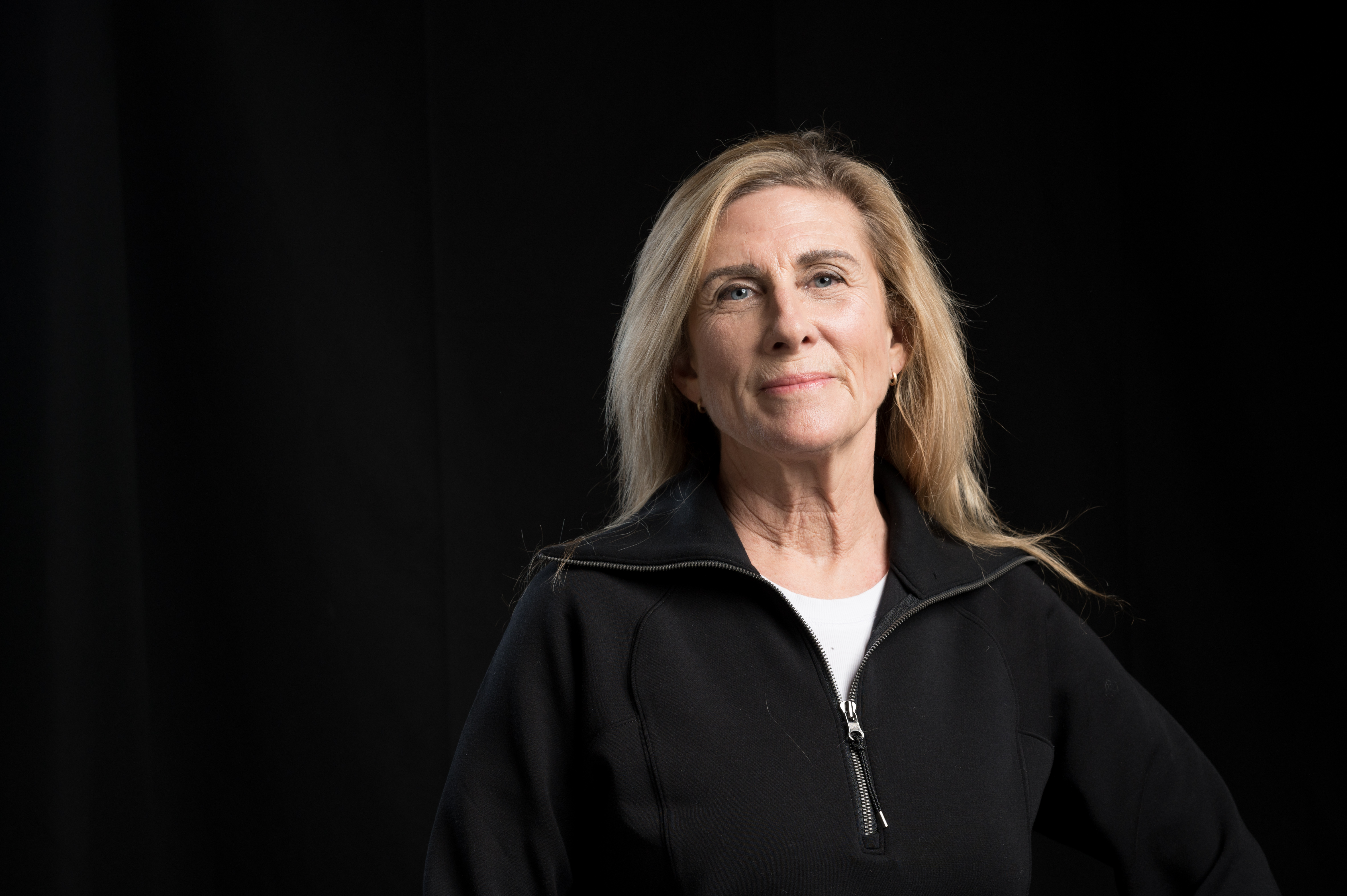
CEO/Host/Kinship Care Expert
Host - Grandparents Raising Grandchildren: Nurturing Through Adversity podcast.
Laura Brazan/ Kinship Care Expert- is the founder of The 2.7 Million Project and the voice of the Invisible CEO. After trading her own "planned retirement" for the high-stakes mission of kinship care, she now empowers grandparents to reclaim their identity as the chief executives of their family’s future. Laura provides the tactical frameworks and "Executive Soul" required to lead the next generation with resilience, intentionality, and a clear vision.