Rewriting the Narrative: How Therapeutic Storytelling Empowers Kinship Children I Ep 125
Welcome back to the podcast and our accompanying blog space. If you are a grandparent, aunt, uncle, or relative caregiver, you already know that raising a child who has experienced trauma is unlike traditional parenting. You have likely found yourself in the exhausting role of the behavior manager. You are managing meltdowns, tracking triggers, enforcing routines, and trying desperately to keep the peace. But today, we are going to look at a completely different paradigm. We are going to explore how you can step out of the manager's chair and pick up a pen as a supportive external scribe.
Traumatized children often feel like they are trapped in a story they never chose to write. Their past is filled with disruption, loss, and unpredictability. When they enter kinship care, they bring all of that invisible baggage with them, often manifesting as behavioral challenges, anxiety, and speech blocks. Traditional behavior management focuses on changing the symptoms, but therapeutic storytelling addresses the root. By co-creating judgment-free fantasy stories with your relative child, you can help them bypass survival mode, unlock blocked emotions, and ultimately reclaim their personal identity.
The Power of Being a Scribe Instead of a Manager
Let us start by redefining your role in the household. When children come into kinship care from hard places, their nervous systems are often stuck in chronic fight, flight, or freeze. In this state, the logical part of the brain—the prefrontal cortex—goes offline, and the survival brain takes over. If you approach a child in survival mode with strict behavior management, rules, consequences, and lectures, you will likely escalate the crisis. The child experiences your management as control and threat, which deepens their defensive posture.
Instead of managing behavior, what if you acted as an external scribe? An external scribe does not dictate the narrative or judge the plot points. An external scribe simply records what the child dictates. When you shift into the role of the scribe, the dynamic changes instantly. You are no longer the authority figure trying to correct them; you are a collaborative partner working alongside them. You hold the pen, but they hold the power.
This subtle shift has profound psychological implications for kinship children. Many of these children feel profoundly powerless. They did not choose to be removed from their parents, they did not choose to move into a new home, and they often feel like they have no say in their daily lives. By inviting them to direct a story, you give them back a sense of agency. You are telling them, "In this world we are creating together, your voice matters, and I am here simply to help you write it down." This removes the pressure of performance and replaces it with the freedom of expression.
Why Kinship Caregivers Need This Approach
Kinship caregivers face unique challenges that traditional adoptive or foster parents might not fully grasp. Often, you are caring for a grandchild or niece and nephew while simultaneously grieving the loss of your relationship with the biological parent, who may be your own child or sibling. This complicated grief can sometimes bleed into your parenting, making you hyper-vigilant about the child's behavior. You might feel the weight of societal judgment, worrying that the child's behavioral struggles reflect on your caregiving.
When you become a scribe, that heavy burden lifts. You do not need to have all the answers, and you do not need to fix every behavioral issue on the spot. Your only job is to listen and write. This lowers your own nervous system arousal, creating a calm, co-regulated environment where healing can actually begin.
How to Use Fantasy Fiction for Emotional Processing
Directly asking a traumatized child about their feelings, their trauma, or their fears is often a recipe for silence or explosive meltdowns. Direct questions demand vulnerability, and vulnerability requires a baseline of safety that these children simply do not possess yet. This is where fantasy fiction becomes an invaluable bridge.
Fantasy provides a safe distance. If a child is asked why they are angry, they might shut down. But if they are asked what makes a fire-breathing dragon stomp its feet and roar until the trees shake, they can talk about anger all day long without feeling exposed. Fantasy is a non-threatening sandbox where heavy, complex emotions can be played with, rearranged, and ultimately processed.
Creating the Safe Container
When introducing fantasy storytelling, you want to establish a clear container. Sit down with a dedicated notebook and a special pen—let the child choose these items to build investment. Make it a ritual. Pour some tea, get some snacks, and make it clear that this is a special time where normal rules of reality do not apply.
Explain the ground rules clearly: "In this book, we can make anything happen. Characters can be brave, they can be scared, they can make huge mistakes, and they can fly away on magic carpets. There are no wrong answers here." By framing the storytelling this way, you remove the fear of making a mistake. Kinship children are often terrified of getting things wrong because getting things wrong in the past often resulted in chaos or rejection. Fantasy offers a world with zero stakes and infinite possibilities.
Avoiding the Fear of the Blank Page
One of the biggest hurdles caregivers face when starting this journey is the dreaded blank page. You sit down with your relative child, open the brand-new notebook, look at each other, and... crickets. The child might shrug, look away, and say, "I don't know what to write."
Do not panic. This is completely normal. The blank page can feel intimidating, especially for a child whose brain is used to hyper-vigilance rather than creative play. They are waiting for you to take charge, or they are worried about coming up with the "right" idea.
Low-Pressure Prompts and Entry Points
To overcome the fear of the blank page, you need to provide gentle, highly imaginative entry points that do not require the child to invent a story completely from scratch. Here are a few strategies you can use:
- The Odd Object Prompt: Bring a strange object to the table—a smooth, glowing stone, a vintage key, or a peculiar-looking feather. Ask the child, "If this object could talk, whose pocket did it fall out of, and what secret is it holding?"
- The Unlikely Animal Duo: Suggest two animals that would never normally hang out, like a nervous hedgehog and a sleepy cloud-whale. Ask where they are going on their journey.
- The Magical Map: Take a piece of paper, draw a few random squiggles representing mountains, rivers, and a castle, and ask the child to name the weirdest landmark on the map.
Notice how none of these prompts ask the child about their personal life, their fears, or their family situation. They are safely rooted in the absurd and the fantastical. Yet, because the human brain naturally projects its internal state onto external narratives, the child will inevitably start weaving their own emotional reality into the characters they create.
Asking 'Tell Me More' to Unlock Expression
Once you get past the blank page and the child offers their first plot point or character detail, your primary tool as a scribe becomes four simple words: "Tell me more."
When a child says, "The bear walks into a dark cave and he is all alone," the temptation for an eager caregiver might be to jump in with advice or a silver lining. You might be tempted to say, "Don't worry, his friends will find him!" But resist that urge. When you rush in to rescue the character from distress, you accidentally signal to the child that distress is unacceptable or too scary to look at.
Instead, pick up your pen, write down what they said, and gently prompt: "Tell me more about how the cave feels. Is it quiet? Is it cold?"
Validating the Inner Experience
By asking "Tell me more," you are teaching the child that their inner world is worth exploring deeply. You are showing them that you are not afraid of the dark parts of their story. If the bear in the cave is terrified, you write down that the bear is terrified, and you might say, "Wow, that sounds really scary for the bear. I wonder what he does next?"
This approach helps unlock speech blocks. Many traumatized children experience speech blocks or selective mutism when trying to talk about their own feelings because the language centers of their brain literally shut down under stress. By transferring the feelings onto a fictional bear, dragon, or spaceship pilot, the pressure is off. The words begin to flow because they are talking about *someone else*, even though their nervous system is processing their own internal truth.
Bridging Fantasy Stories to Real-Life Coping Skills
Eventually, as you co-create stories week after week, you will notice patterns. The characters the child creates might constantly face storms they cannot escape, or villains that cannot be reasoned with, or they might always find a secret magic shield when things get too hard. These recurring themes are windows into the child's processing of their trauma and their search for safety.
The final step in therapeutic storytelling is building a bridge between the fantasy world and the real world. However, this must be done delicately. You should never force a moral or a heavy-handed lesson onto the story. You should not look at the child and say, "See? Just like the bear, you need to learn to be brave when I leave the room." That destroys the magic and turns storytelling back into behavior management.
Organic Connections
Instead, let the bridge build itself organically through reflective questioning. Once a story arc reaches a resolution where the characters overcome an obstacle or find a safe haven, you can pause and reflect with the child:
- "That wizard had a really tough time finding his magic wand when he panicked. What helps *you* find your calm when your brain feels scrambled?"
- "The fox built a very strong, cozy den where nothing could hurt him. If you had a cozy den in real life, what would it look like?"
- "How did the bird know it was safe to finally fly out of the tree?"
Notice how these questions gently invite the child to make the connection between the character's coping mechanism and their own lived experience, without demanding that they do so. If the child wants to stay in the fantasy world, let them stay there. Healing happens at the nervous system's pace, not our schedule.
Conclusion: The Ongoing Journey of Collaborative Healing
Rewriting the narrative is not a one-time intervention; it is a way of being with a kinship child. By stepping out of the role of the behavior manager and stepping into the role of the compassionate scribe, you change the entire emotional climate of your home. You teach the child that their voice is powerful, their imagination is a safe haven, and their story—no matter how chaotic it was before they arrived at your doorstep—is still being written, and they hold the pen.
Thank you for tuning into today’s blog and podcast. If you try therapeutic storytelling with your relative children this week, drop a comment below or reach out on our social channels and let us know what kind of magical worlds you and your children are building together. Until next time, keep holding space, keep writing the story, and take care of yourselves.
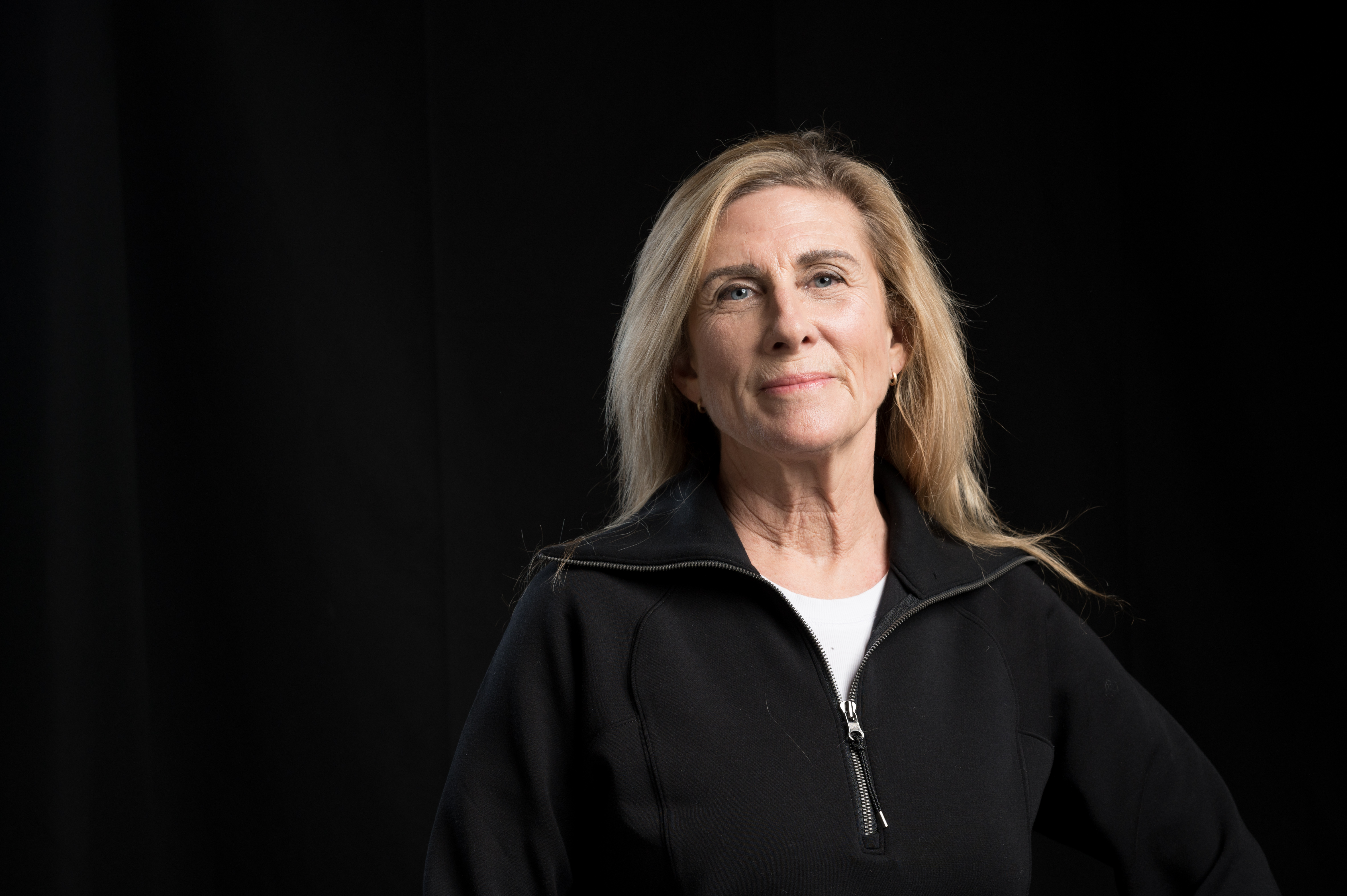
CEO/Host/Kinship Care Expert
Host - Grandparents Raising Grandchildren: Nurturing Through Adversity podcast.
Laura Brazan/ Kinship Care Expert- is the founder of The 2.7 Million Project and the voice of the Invisible CEO. After trading her own "planned retirement" for the high-stakes mission of kinship care, she now empowers grandparents to reclaim their identity as the chief executives of their family’s future. Laura provides the tactical frameworks and "Executive Soul" required to lead the next generation with resilience, intentionality, and a clear vision.

 RSS Feed
 Apple Podcasts
 Spotify