Grandparents Raising Grandchildren: Handling Behavioral Transitions and Burnout I Ep 115
This episode addresses behavioral transitions.
What happens when the emergency is over, but the atmosphere in your home still feels like a battlefield?
As kinship caregivers, we spend a staggering amount of energy just putting out fires. We manage the calls from school, the behavioral outbursts, and the legal hurdles. But in the process of surviving the "emergency," we often forget how to build a sanctuary.
In Episode 115 of the Grandparents Raising Grandchildren podcast, I sat down with Stephen Wagstaff, a man who understands "life-altering" better than most. Stephen is a C5 quadriplegic from a diving accident at age 19. His mission, through his organization Swagability, is to help individuals and caregivers navigate disability, trauma, and burnout.
Stephen’s perspective as a retired pastor and a man living with a significant physical disability offers a "hand up" to every grandparent who feels like they are redlining on stress.
The "10-Alarm Fire" in the Hallway
I recently had a moment with my granddaughter that reminded me how fragile our sanctuaries can be. Her first six years were ruled by trauma—yelling, screaming, and "I won't!" One small incident triggered a reaction in her, and then, instantly, in me.
In that second, I wasn’t an "Invisible CEO." I was just a tired grandmother reacting to trauma that didn't even belong to me.
It hit me: We can’t lead our families into the future if we’re still governed by the adrenaline of the past.
Moving from Trauma to Purpose
Stephen Wagstaff often says that his accident was the start of his mission, not the end of his story. For many of us, the day we began raising our grandchildren felt like the end of our retirement story. We grieve the life we thought we’d have.
But Stephen challenges us to "see again."
"Seniors have two amazing things," he says. "They have Time and they have Wisdom." When we reframe our situation from a "loss of freedom" to a "new platform for impact," the internal chemistry of our leadership changes. We stop being victims of our circumstances and start being the architects of a legacy.
The Messiness of Partnership
One of the most profound parts of our conversation touched on the "closet sickness" of caregiver burnout. Stephen and his wife, Julie, nearly lost their marriage to the unspoken resentment that builds when one person is the primary caregiver.
The only way forward is transparency.
-
Have the conversation before the crisis: Don’t wait for a meltdown to discuss your limits.
-
Normalize the "Messiness": Stop trying to look like a magazine cover. Authenticity is worth more than a polished image.
-
Agree to Disagree: You won't always see eye-to-eye on parenting tactics, but you can agree on the shared mission of the child’s safety.
Your Swagability Toolbox: 3 Tactical Moves
If you feel like you are redlining today, Stephen suggests these immediate steps:
-
Use Your Tongue: The first tool in the toolbox is communication. Talk to a spouse, a pastor, or a friend. Admit that the current situation is unhealthy. The world will not end if you ask for help.
-
"Doing With," Not "Doing For": Reframing support means recognizing the innate value of the child (and yourself). Stop treating them as a project to be fixed and start treating them as a partner in the home.
-
Ground Your Anger: Anger is a natural emotion, but it needs a safe "grounding wire." Whether it’s a long walk, a hobby, or executive silence, find an avenue to dispel the heat before it burns the sanctuary down.
Conclusion: You Are the Infrastructure
You are 2.7 million strong. You are the most stable infrastructure your grandchild will ever know. By choosing to lead with "Swagability"—that unique blend of resilience, wisdom, and grit—you are rewriting the history of your family.
Listen to the full episode with Stephen Wagstaff here: [Link to Podcast]
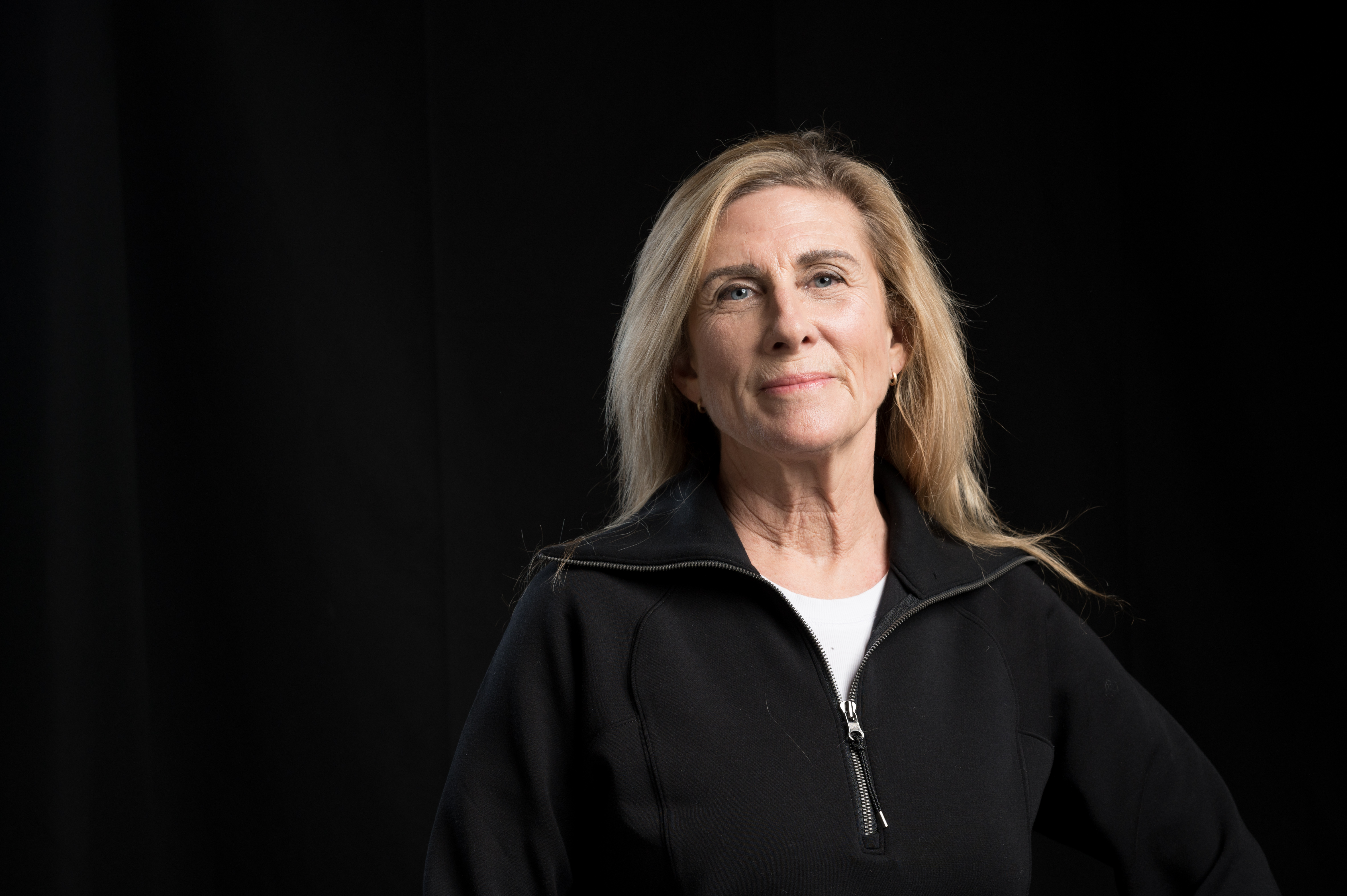
CEO/Host/Kinship Care Expert
Host - Grandparents Raising Grandchildren: Nurturing Through Adversity podcast.
Laura Brazan/ Kinship Care Expert- is the founder of The 2.7 Million Project and the voice of the Invisible CEO. After trading her own "planned retirement" for the high-stakes mission of kinship care, she now empowers grandparents to reclaim their identity as the chief executives of their family’s future. Laura provides the tactical frameworks and "Executive Soul" required to lead the next generation with resilience, intentionality, and a clear vision.

 RSS Feed
 Apple Podcasts
 Spotify