
The Lead Shield: Why Forgiveness is a Selfish Act of Leadership I Ep 120
"Just forgive and move on." This episode is about how to forgive the unforgiveable.
If you are a grandparent raising grandchildren, you’ve likely heard this hollow platitude a dozen times. It’s often used by people who haven't stood in the wreckage of a drug-induced trauma or a middle-of-the-night police call. They think they are offering peace, but to a kinship caregiver, "just forgiving" feels like surrendering your boundaries or condoning the "dumpster fire" behavior that landed the kids on your doorstep in the first place.
This week on the podcast, I sat down with Katharine Giovanni to dismantle this toxic advice. Katharine—a Stage 3 cancer survivor and childhood trauma overcomer—doesn't believe in "just" forgiving. She believes in an executive audit of your emotional motherboard.
The Purple Cup and the Fog
Katharine shared a visual that changed my perspective instantly. She held up a coffee cup and explained that when we first get angry, we can hold it off to the side. But the longer we hold it, and the more "legacy data" (resentment) we add to it, the heavier it gets.
Eventually, we are holding that "cup of rage" with both hands, right in front of our faces. We are so focused on the person who hurt us that we can no longer see the child standing in front of us.
As the Invisible CEO of your family, your greatest asset is your intuition. But resentment acts like a thick fog on the windshield of your leadership. You can’t see the road, you can’t see the opportunities, and you certainly can’t see the authentic nature of your grandkids.
The Science of "Energy Sickness"
For those who think this sounds a bit "woo-woo," Katharine pointed us toward the Masaru Emoto Japanese Water Study. The study shows that positive words create beautiful, crystalline structures in water, while hateful words create fractured, "sick" formations.
Considering the human body is over 95% water, think about what happens when your internal self-talk is a constant loop of "I can't believe they did this." You aren't hurting the other person; they’ve moved on. You are physically poisoning your own internal infrastructure.
[Image: Comparison of water crystals from the Emoto study labeled 'Love' vs 'Hate']
The 3-List Method: An Executive Clearing
Katharine’s process isn't about doing the other person a favor. It is a "selfish" act of emotional housekeeping. She recommends creating three distinct lists:
-
The Resentment List: People who hurt you (rated 1–10).
-
The Forgiveness-From-Others List: People you may have hurt or situations where you feel you failed.
-
The Money/Event List: Forgiving the "fish market" apartments, the bankruptcies, and the generational poverty.
The Strategy: Don’t start with the Level 10 "unforgivable" parent. Start with the person who cut you off in traffic. Build the muscle. Lift the "Level 1" fog first, and watch how much more processing power you have for the heavy stuff.
Forgiveness vs. Reconciliation
One of the most important takeaways from our talk was the distinction between these two words. Forgiveness is a solo act that happens inside your heart to clear your motherboard. Reconciliation is a joint venture that requires the other person to be safe and accountable.
You can forgive the energy of a parent to find your peace, while still keeping the gate locked and the boundaries firm to ensure your grandchildren’s safety.
[🎧 LISTEN TO EPISODE #120: Katharine Giovanni - Clearing the Motherboard]
The Toolbox: Tactical Moves
-
The Secret Sauce Mantra: Put your hand on your heart and say: "I completely forgive the energy around [Name/Event]. I completely forgive myself. And so it is."
-
Nightly Purging: Do your forgiveness work before bed. Your body heals best when the "mental load" has been offloaded.
-
The "Sadness Rope": If your grandchild is carrying physical pain in their body, help them "pull" it out and throw it out the door. It makes the invisible visible.
Keep nurturing, keep leading, and I’ll see you in the next boardroom.
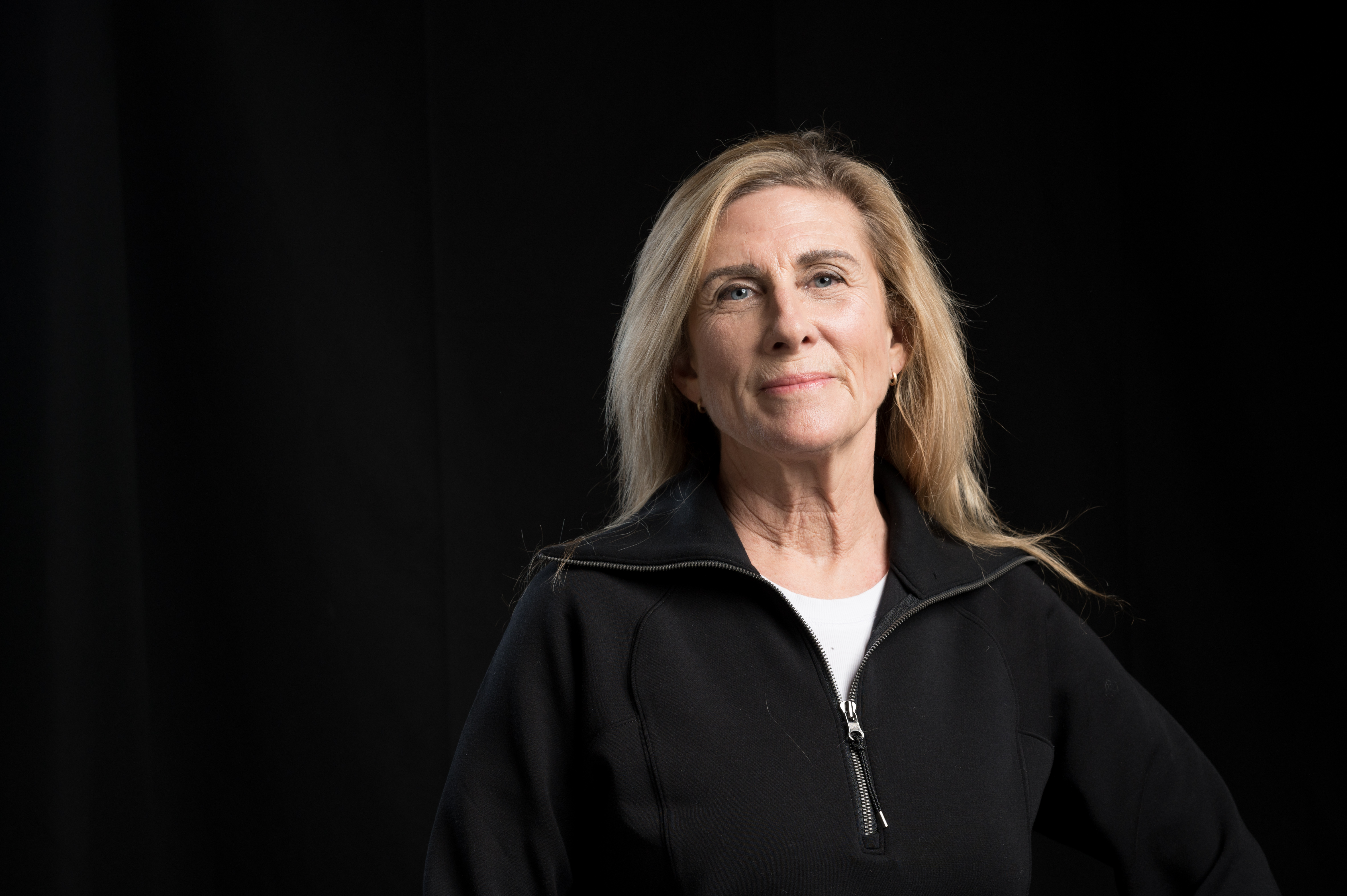
CEO/Host/Kinship Care Expert
Host - Grandparents Raising Grandchildren: Nurturing Through Adversity podcast.
Laura Brazan/ Kinship Care Expert- is the founder of The 2.7 Million Project and the voice of the Invisible CEO. After trading her own "planned retirement" for the high-stakes mission of kinship care, she now empowers grandparents to reclaim their identity as the chief executives of their family’s future. Laura provides the tactical frameworks and "Executive Soul" required to lead the next generation with resilience, intentionality, and a clear vision.