Kinship Caregivers: Why Your Health is the Primary Infrastructure I Ep 121
In the life of kinship caregivers health is often the first asset to be sacrificed.
We focus so much on the children’s stability that we ignore our own chronic pain, our changing health, and the complicated ways we use food to cope with the midnight calls of family crisis. I recently went to the doctor for my annual physical, and for the first time, he didn't just give me advice. He gave me a warning.
He looked me in the eye and said, "Laura, you don't have much time to wait."
It was a sobering realization. While I was busy being organized and getting up at 3:00 AM to manage the mission, I was dismantling my own hardware.
The Myth of Selfless Sacrifice
As caregivers, we often wear our exhaustion like a badge of honor. We tell ourselves that ignoring our medical needs is "for the kids." But therapist and eating disorder expert Tamie Gangloff joined the show this week to challenge that narrative.
Tamie helped me realize that our health isn't "self-care"—it’s the primary infrastructure of our home. If the CEO goes down, the organization follows. If you have a stroke or a breakdown, your grandchildren lose their safety net. Taking care of your vessel isn't selfish; it’s a leadership requirement.
Disturbance vs. Distortion
Tamie explained a concept that resonated deeply: the difference between a body image distortion and a body image disturbance.
-
Distortion: Seeing something different in the mirror than what is actually there (common in eating disorders).
-
Disturbance: A very real sense of distress because your body has physically changed due to surgery, chronic illness, or the natural process of aging.
When we experience "Medical PTSD" from surgeries or chronic pain, our body starts to feel like an enemy. We stop respecting the vessel and start treating it like a failed system.
Food as a Weapon or a Shield
When life feels out of control—when your adult child is in crisis or your grandchild is regressing—food often becomes a management tool.
-
The Shield: Using food to numb the high-alert state of your nervous system.
-
The Weapon: Weaponizing food in power struggles at the dinner table as a way to avoid talking about the deeper trauma in the house.
Back to Basics: The CEO Reset
Tamie’s prescription for the overwhelmed caregiver is surprisingly simple: Go back to basics. When your nervous system is stuck in "High Alert," you need biological sedatives. This might mean:
-
Tactical Grounding: Coloring, building Legos, or taking a slow, intentional hot shower.
-
The "Relax the Jaw" Audit: Placing physical reminders around the house to drop your shoulders and breathe.
-
Interdependence: Admitting you cannot be the only pillar. Lean on a friend, a therapist, or a support system for just ten minutes of rest.
A New Dialogue
Your grandchildren are watching. If you model a life of chronic neglect and high-stress "hustle," you are passing that motherboard down to them. If you model compassion for your own aging, aching, and capable body, you are teaching them how to survive their own future.
Remember: You cannot lead a legacy if your vessel is empty.
[🎧 LISTEN TO EPISODE #121: Tamie Gangloff - The Body Audit]
The Toolbox: Tactical Moves
-
The Morning Mirror Ritual: Find one thing you like about yourself (even just your choice of earrings) and say it out loud.
-
Medical Appointment Planning: Use Tamie’s worksheet to ensure your doctor addresses your stress levels, not just your symptoms.
-
The 3:00 AM Audit: If you are waking up early to "work," ask yourself: Is this productivity, or is it a flight response?
Keep nurturing, keep leading, and I’ll see you in the next boardroom.
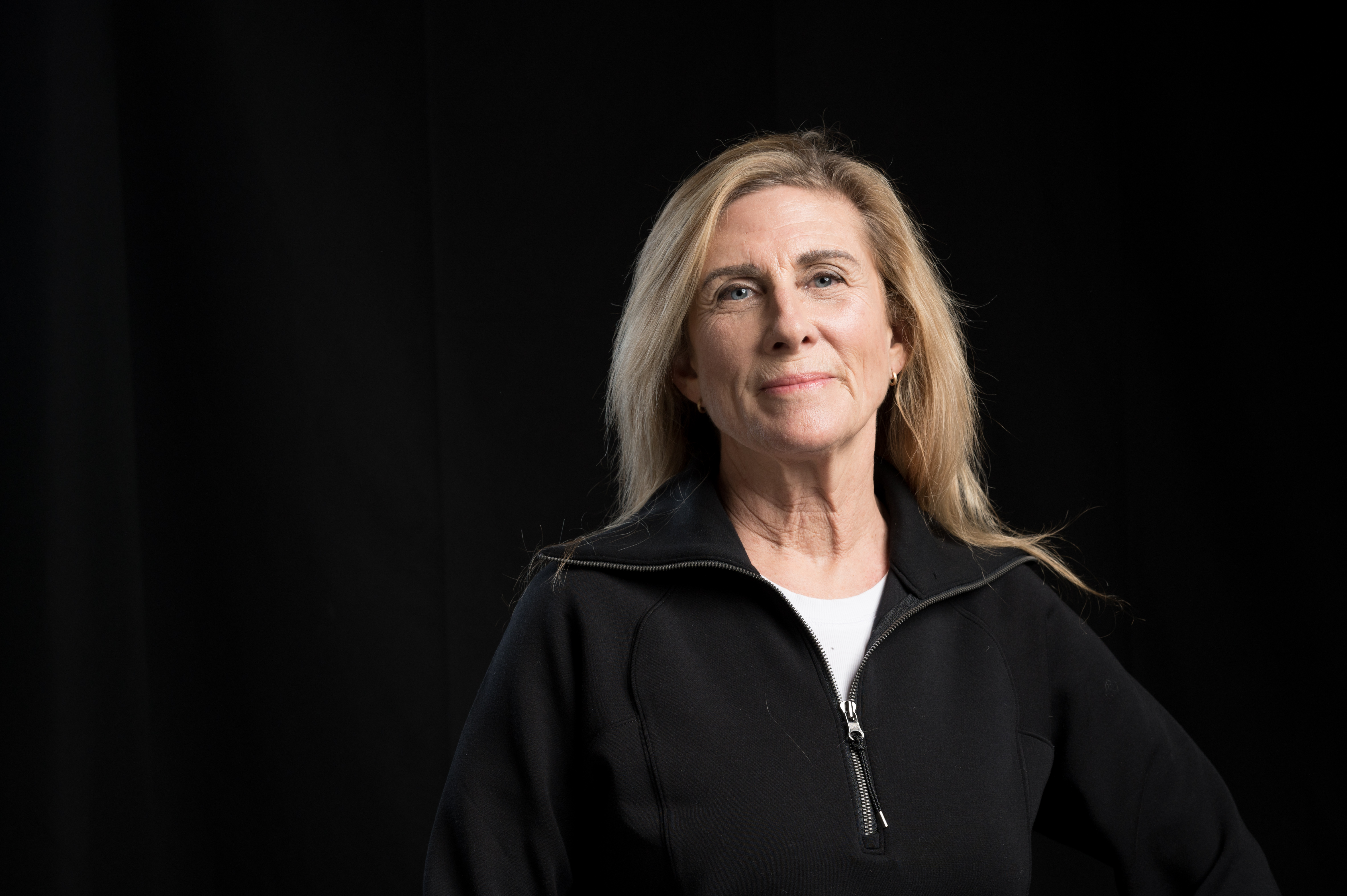
CEO/Host/Kinship Care Expert
Host - Grandparents Raising Grandchildren: Nurturing Through Adversity podcast.
Laura Brazan/ Kinship Care Expert- is the founder of The 2.7 Million Project and the voice of the Invisible CEO. After trading her own "planned retirement" for the high-stakes mission of kinship care, she now empowers grandparents to reclaim their identity as the chief executives of their family’s future. Laura provides the tactical frameworks and "Executive Soul" required to lead the next generation with resilience, intentionality, and a clear vision.