Why Bedtime is a Battleground for Kinship Caregivers and Children That Have Experienced Trauma I Ep 118
I’ll admit it—I’ve been using YouTube as a nighttime babysitter. This episode is about solving kinship care sleep struggles.
When you’re an exhausted grandmother raising a six-year-old and a ten-year-old, you reach for whatever tool stops the crying. You reach for whatever allows you to finally sit down for ten minutes. But lately, the "quick fix" of the tablet has turned into a survival-mode nightmare.
I sat at my kitchen table recently, battling over spelling words with my granddaughter. I could see the blue light reflecting in her eyes and the desperate urge she had to just drift away into a screen. I realized I was reacting to her "flash fire" with my own gasoline. I was afraid to change the rules because I didn't think I had the energy for the blowback.
But as the Invisible CEO of my home, I know you can’t build a stable mission on a crumbling foundation.
The Infrastructure of Rest
In Episode 118, I sat down again with sleep expert Allison Egidi. We took a deep dive into why sleep is the first thing to break—and the most important thing to fix—when raising children with a history of trauma.
For our children, the lights going out isn't an invitation to rest; it’s a tripwire for a biological alarm. Night terrors, abandonment anxiety, and hyper-vigilance don't care about your "ideal" 8:00 PM bedtime.
What We Learned: The CEO Audit
Allison shared several "Boardroom" strategies to help us stabilize the nighttime environment:
-
The "Boring" Strategy: We’ve switched the kids from high-stimulation videos to "boring" learning apps. It provides the comfort of the device they crave but acts as a biological sedative because it doesn't trigger the "survival mode" adrenaline of a fast-paced game.
-
The Sleep Wave: Did you know there is a narrow window where sleep is actually possible? If you miss it, the "second wind" of defiance kicks in. For many trauma-impacted kids, that window is much earlier than we think—often between 7:00 and 7:30 PM.
-
The Digital Detox: Allison suggests a two-week hiatus from screens if bad dreams are flaring. Yes, there will be three days of significant blowback, but as a leader, you have to be willing to endure the short-term tantrum for the long-term stabilization of the child's nervous system.
Tending the Inside Fire
My grandson, Tommy, has been wanting to come back into our room to sleep. It’s a challenge that many kinship families face. My husband and I have had to negotiate the boundaries—balancing the need for his "safety net" with our need for a restorative environment.
We’ve learned that the most important rule is Predictability. We don't change the rules at midnight. We talk about the sleep plan before dinner so the kids feel a sense of control before the sun goes down.
Are you ready to audit your nighttime foundation?
[🎧 Listen to Episode 118 with Allison Egidi here.]
The Toolbox: Tactical Moves
-
Red Light Protocol: Switch to red nightlights. They don’t disrupt melatonin production like blue or white light does.
-
The Content Inventory: Get curious about what they watch. Even "G-rated" movies can have villains that trigger a child’s specific history of violence or abandonment.
-
The Early Bird Hack: If your child is defiant at 8:30 PM, try moving lights-out to 7:15 PM. You might just catch the "Sleep Wave" you’ve been missing.
We are 2.7 million strong. Still nurturing, and still here.
Keep nurturing, keep leading, and I’ll see you in the next boardroom.
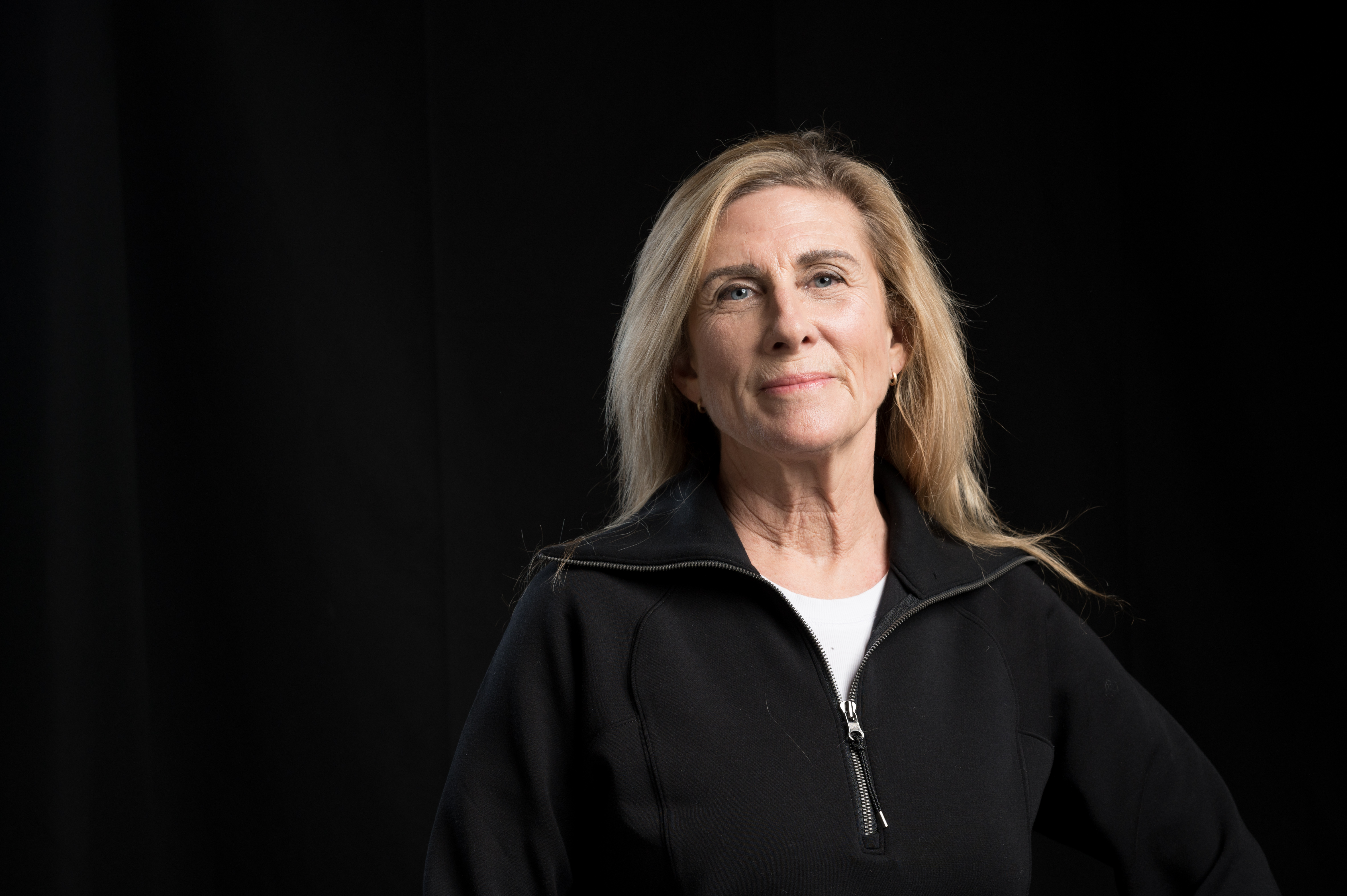
CEO/Host/Kinship Care Expert
Host - Grandparents Raising Grandchildren: Nurturing Through Adversity podcast.
Laura Brazan/ Kinship Care Expert- is the founder of The 2.7 Million Project and the voice of the Invisible CEO. After trading her own "planned retirement" for the high-stakes mission of kinship care, she now empowers grandparents to reclaim their identity as the chief executives of their family’s future. Laura provides the tactical frameworks and "Executive Soul" required to lead the next generation with resilience, intentionality, and a clear vision.