Generativity in Kinship Care: How Mentorship Keeps Your Brain Sharp After 50 I Ep 122
Generativity in kinship care is the psychological drive to mentor and guide the next generation, a critical developmental milestone that keeps the brain cognitively and emotionally agile. For kinship caregivers, embracing this role as a mentor rather than just a guardian can stave off the loneliness epidemic often associated with retirement, effectively rewiring the brain to prioritize purpose over stagnation.
Key Takeaways
- Generativity is a biological "itch" to mentor that typically emerges in midlife, acting as a crucial defense against cognitive decline.
- Kinship care provides a unique opportunity to gain a new, meaningful identity during a stage of life where many others experience identity loss.
- The "good enough" parenting framework reduces the pressure of perfection, allowing for more authentic and joyful connections with grandchildren.
- Reverse mentoring allows grandparents to stay culturally relevant by learning new technologies and communication styles from younger generations.
- Actively engaging in the upbringing of grandchildren promotes physical activity and emotional well-being, which are directly linked to better cognitive outcomes.
The Science of Mentorship
For many, the transition into retirement is often painted as a period of relaxation and retreat. However, developmental psychology suggests that the human brain requires more than just leisure to stay healthy. The concept of generativity, popularized by psychologist Erik Erikson, refers to the concern for establishing and guiding the next generation. When this drive is ignored, it often leads to what scientists describe as "stagnation."
When you step into the role of a kinship caregiver, you are not merely filling a childcare gap; you are fulfilling a profound biological and psychological need. Research indicates that the intellectual labor involved in parenting—managing schedules, navigating new technologies, and engaging in cross-generational dialogues—activates synaptic pathways that remain dormant in sedentary, purely leisure-focused retirement lifestyles.
Redefining the Caregiver Identity
One of the most challenging aspects of midlife is the loss of previous identity markers, such as professional titles or the role of a primary parent to one's own children. Kinship caregivers often report a sense of being "robbed" of their golden years. However, reframing this experience from a "burden" to an "opportunity for mentorship" can change your emotional trajectory entirely.
By viewing yourself as a mentor, you shift the focus from the traumatic circumstances that may have necessitated your caregiving role to the legacy you are building. This shift is not selfish; it is a vital act of self-preservation. When you mentor your grandchildren, you pass down family history, values, and life lessons, creating a sense of immortality that provides an immense emotional boost. This act of giving without expecting a direct return is the very essence of healthy generativity.
The "Good Enough" Philosophy
Many grandparents feel an overwhelming pressure to be perfect, especially when raising children who have experienced trauma. It is essential to let go of the idea that your parenting must be flawless. Psychological research supports the "good enough" parenting model, which suggests that children thrive when they have reliable, consistent care, not perfection. Relieving yourself of the pressure to be perfect creates space for joy, allowing you to actually enjoy the time you spend with your grandchildren rather than constantly worrying about your performance as a caregiver.
Leveraging Reverse Mentoring
One of the most exciting aspects of kinship care is the phenomenon of reverse mentoring. In a standard household where age gaps are narrow, communication is often horizontal. In a kinship home, the cross-generational bridge is much wider. By engaging with your grandchildren's world—whether that means learning how to play a new video game or listening to their perspective on modern culture—you are actively exercising your brain in ways that keep it agile.
This is not just about fun; it is about cognitive flexibility. By staying open to new cultural norms and terminologies, you prevent the rigid thinking patterns that often accompany aging. These interactions foster a dynamic environment where you are constantly receiving and processing new information, which is a powerful tool for maintaining neuroplasticity throughout your later years.
Conclusion
While the road of kinship care is steep, it is also a path toward a more purposeful, vibrant life. By acknowledging that your role as a mentor is a powerful biological fuel, you can transform your daily challenges into a legacy of resilience and cognitive health. To dive deeper into how these developmental milestones and expert-led strategies can help you maintain your well-being, Listen to the full episode. Join our community and discover how to lead your home with a warrior’s heart.
Frequently Asked Questions
How does generativity prevent cognitive decline?
Generativity forces the brain to remain active and socially engaged. By mentoring, learning new skills from younger generations, and managing the complexities of child-rearing, caregivers utilize cognitive functions that are often neglected in stagnant or purely leisure-based retirement.
Is it selfish to find satisfaction in raising grandchildren after a family tragedy?
Absolutely not. Finding purpose and personal satisfaction in your role as a mentor is a healthy psychological response. It is a vital component of healing from the trauma of the situation and helps you re-establish a sense of agency and legacy in your life.
What is reverse mentoring?
Reverse mentoring occurs when an older adult learns from a younger person. In the context of kinship care, this involves being open to understanding your grandchild's culture, technology, and perspectives, which keeps your brain flexible and helps you maintain a current and active worldview.
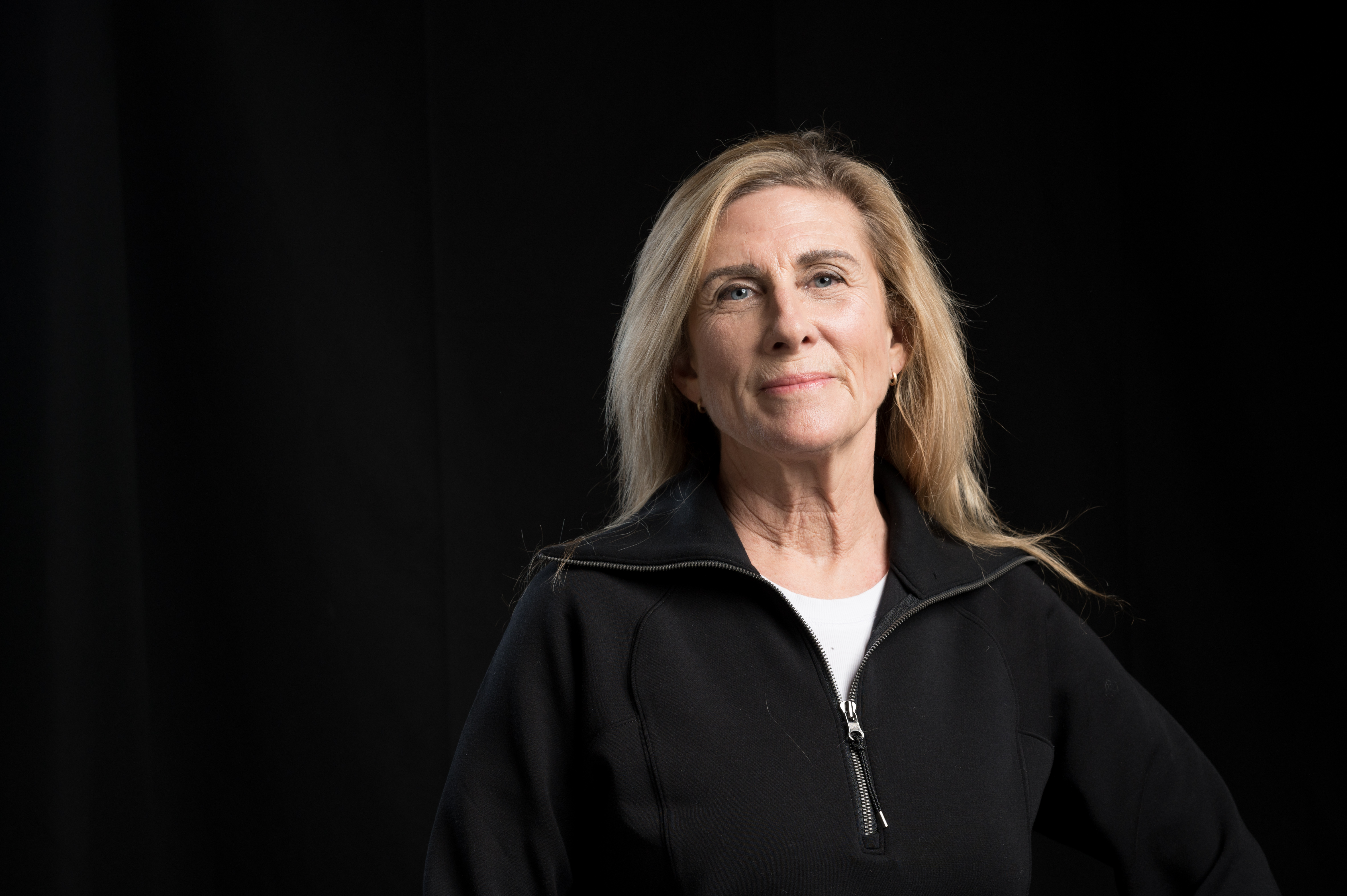
CEO/Host/Kinship Care Expert
Host - Grandparents Raising Grandchildren: Nurturing Through Adversity podcast.
Laura Brazan/ Kinship Care Expert- is the founder of The 2.7 Million Project and the voice of the Invisible CEO. After trading her own "planned retirement" for the high-stakes mission of kinship care, she now empowers grandparents to reclaim their identity as the chief executives of their family’s future. Laura provides the tactical frameworks and "Executive Soul" required to lead the next generation with resilience, intentionality, and a clear vision.