
The Subjective Well-Being Audit: Mapping the Kinship Caregiver's Emotional Landscape I Episode 128
Stepping into the second cradle means confronting sudden custody battles, mountains of state paperwork, and massive lifestyle disruptions. In the daily rush to stabilize children and manage trauma, many relatives forget to evaluate their own physical and mental health. Utilizing a Kinship Caregiver Well-Being Audit Guide! helps families move from high-stress crisis management to long-term stability by treating caregiver health as a vital asset.
Auditing the Caregiver's Physical and Mental Well-Being
In the corporate world, no leader runs a high-risk operation without auditing its core assets. State welfare systems often expect relatives to absorb family crises while completely ignoring the caregiver's health. Taking time to measure stress and emotional balance keeps the entire household running smoothly.
-
Recognize hidden grief: Caring for a grandchild often comes with grieving the loss of an adult child to death, addiction, mental illness, or incarceration.
-
Acknowledge conflicting emotions: Resenting a lost retirement does not mean a lack of love for the child. Both feelings can exist at the same time without guilt.
-
Protect the core asset: If the primary caregiver collapses from exhaustion, the stability of the entire home disappears.
Strategic Steps for Navigating Systemic Challenges
Public welfare agencies often rely on the fact that relatives do not know their legal rights during emergency placements. Overcoming bureaucratic barriers requires clear strategies, expert support, and measurable data to protect both the child and the home.
1. Rebalance the Emotional Ledger
Do not punish yourself for feeling tired or overwhelmed. Set aside time each week to write down your honest experiences without self-judgment. Accepting emotional challenges helps lower stress on your nervous system and builds long-term resilience.
2. Participate in National Research Data
Many government agencies do not track relatives who move from temporary care to permanent adoption. Complete the national Subjective Well-Being Survey at [Link to Grandparents-raising-grandchildren.org] to turn your personal story into policy-changing data.
3. Build a Dedicated Support Network
Never attend court dates or social service meetings alone. The power balance in public child welfare offices often leans heavily against individual families.
-
Partner with a Guardian Ad Litem (GAL).
-
Join a local kinship navigator program.
-
Connect with community advocates who understand local care laws.
Taking charge of your personal health protects your future and the children relying on you. Complete the Subjective Well-Being Survey today, and connect with local support groups to strengthen your family's advocacy network.
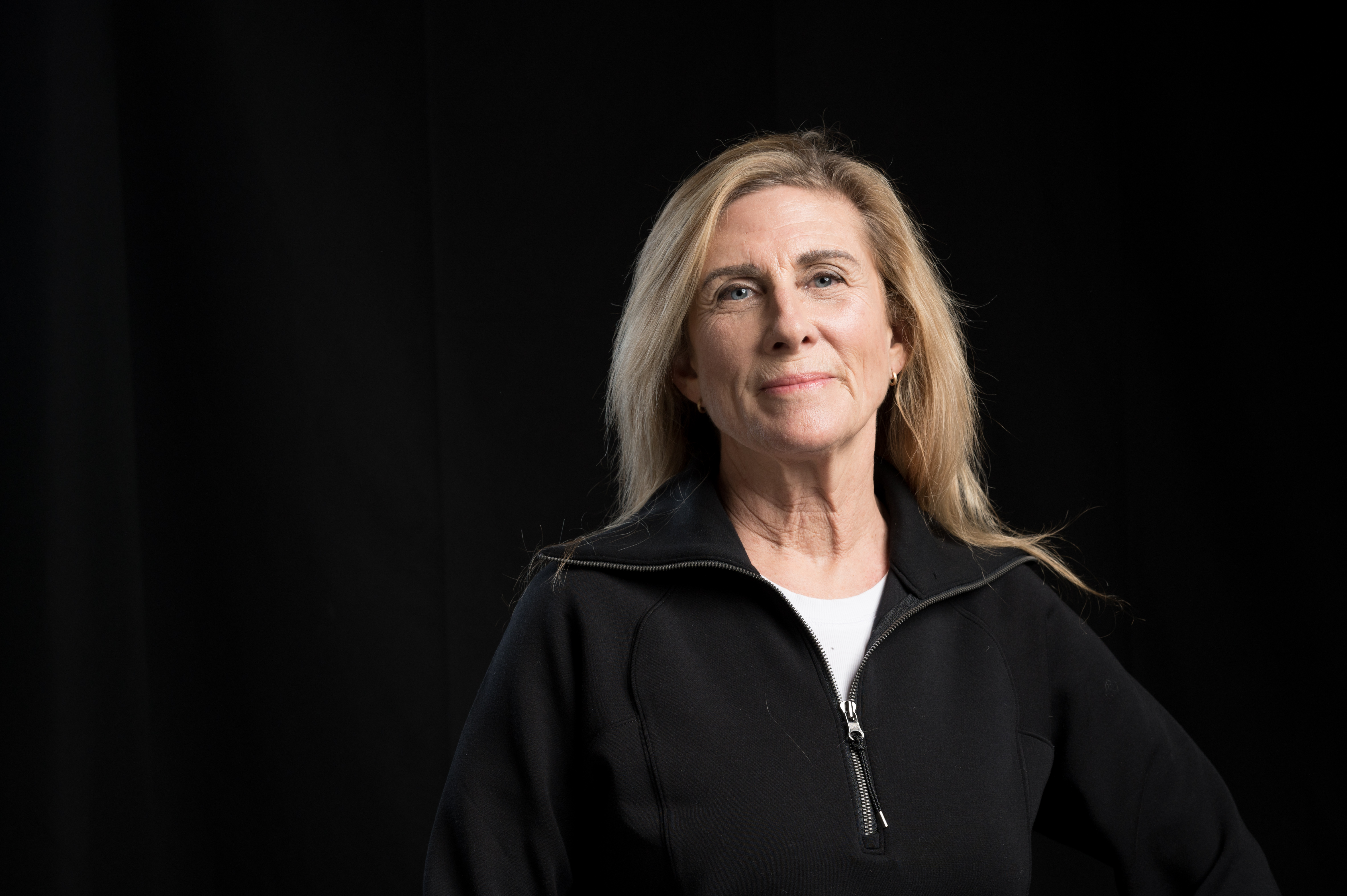
CEO/Host/Kinship Care Expert
Host - Grandparents Raising Grandchildren: Nurturing Through Adversity podcast.
Laura Brazan/ Kinship Care Expert- is the founder of The 2.7 Million Project and the voice of the Invisible CEO. After trading her own "planned retirement" for the high-stakes mission of kinship care, she now empowers grandparents to reclaim their identity as the chief executives of their family’s future. Laura provides the tactical frameworks and "Executive Soul" required to lead the next generation with resilience, intentionality, and a clear vision.