Kinship Care Resources in DuPage County, Illinois
When grandparents unexpectedly take on the role of primary caregiver, managing household expenses like rent, utilities, and school fees can quickly drain their financial and emotional reserves. Fortunately, dedicated gap-funding grants and Kinship Care Resources in DuPage County and the AgeGuide region of Illinois offer tangible financial relief to help kinship families stay afloat and keep households stable.
Key Takeaways
- DuPage County and the AgeGuide region provide critical grant funding specifically designed to cover unexpected gap-filling expenses for kinship caregivers.
- Financial assistance can be utilized for everyday household needs, including past-due utility bills, unpaid rent, clothing, and beds for grandchildren.
- Educational and extracurricular expenses such as school fees, school supplies, and athletic program fees are fully eligible for grant coverage.
- Caregivers can access respite care funding, allowing grandparents to pay for day or overnight summer camps to prevent burnout.
- Reaching out is streamlined through a direct email address (senioroutreach@dupagecounty.gov) designed to bypass bureaucratic phone trees.
Understanding Gap-Filling Grants for Kinship Care
Many relative caregivers enter second-time parenting overnight. They go from an empty nest or retirement planning to immediately purchasing beds, bedding, seasonal clothing, and school supplies. These sudden initial setup costs, combined with recurring monthly overhead, can push fixed-income households into crisis. Gap-filling grants exist precisely to bridge these financial chasms, ensuring that basic household solvency is maintained so caregivers can focus on nurturing their grandchildren rather than stressing over bills.
Unlike traditional government assistance programs that often come with rigid and bureaucratic restrictions, regional programs like the DuPage County Kinship Family Program are structured with a high degree of flexibility. Because the state of Illinois funnels funding down through local area agencies on aging—such as AgeGuide, which covers an eight-county region including DuPage, McHenry, Lake, Kendall, Will, and Grundy—local coordinators have the discretion to apply grant funds directly to the most urgent needs of the household.
What Expenses Are Covered Under the Grant?
The umbrella of gap-filling support is remarkably broad, tailored specifically to the fluid and unpredictable nature of relative caregiving. When a child arrives with little to no notice, programs step in to handle immediate infrastructure needs.
Household and Utility Relief
Keeping the lights on and a roof overhead is the primary defense against administrative crisis. If mounting light bills or overdue rent threaten housing stability, grant funds can be deployed to clear past-due balances. Furthermore, for caregivers facing an empty bedroom, programs assist with the physical necessities of child-rearing, purchasing brand-new beds, mattresses, and linens that might otherwise break a fixed retirement budget.
Education and Extracurricular Support
School districts come with built-in costs that accumulate rapidly. From mandatory registration fees and textbooks to everyday school supplies, the financial burden can catch caregivers off guard. Beyond the classroom, these grants also cover athletic fees and school-sponsored trips. Ensuring a child can play on the soccer team or attend a class field trip prevents them from feeling isolated due to family financial changes.
Respite Care and Summer Relief
Caregiver burnout is a silent epidemic among the 2.7 million kinship families nationwide. Summer months present a major logistical hurdle when children are out of school and working grandparents—or those managing health conditions—need a break. DuPage County's grant allocations specifically help subsidize day camps and overnight summer camps, providing essential respite care that safeguards the mental and physical health of the primary caregiver.
Navigating Age Distinctions and Funding Tiers
While the support systems available in the AgeGuide region are remarkably progressive compared to other parts of the country, caregivers should be aware of how funding structures are categorized by age. Significant grant funding is specifically designated for grandparents and relative caregivers aged 55 and older.
For younger kinship caregivers—such as aunts, uncles, or younger grandparents under the age of 55—grant opportunities do exist, but the funding pools are generally smaller and more prone to depletion. Understanding these age distinctions helps caregivers set realistic expectations when applying, while also emphasizing the importance of reaching out early in the fiscal year before specialized pools are fully allocated.
How to Access Services Without Bureaucratic Friction
One of the biggest deterrents for overwhelmed relative caregivers is the fear of navigating complex, multi-layered phone trees. Waiting on hold or transferring between five different departments can feel impossible when you are already running on empty.
To combat this, the DuPage County Kinship Family Program utilizes a streamlined intake model. Instead of forcing caregivers to navigate an automated phone directory, outreach initiatives connect families directly with dedicated staff members via a single email address. By reaching out to senioroutreach@dupagecounty.gov, caregivers are put in touch with a real person who walks them step-by-step through the grant application process, removing the administrative intimidation factor.
Conclusion and Next Steps
Carrying the administrative and financial weight of kinship care does not mean you have to be an island. Programs like the one in DuPage County prove that safety nets do exist for families willing to take that first step and ask for help. By tapping into local grant structures, you can stabilize your household infrastructure, pay down overdue bills, and reclaim the emotional bandwidth needed to truly thrive.
To hear more about navigating local resources, managing legal hurdles, and connecting with a community that understands your exact journey, Listen to the full episode and discover how to build a resilient boardroom for your family.
Frequently Asked Questions
What types of expenses do DuPage County kinship gap-funding grants cover?
Gap-funding grants cover a wide variety of unexpected costs associated with raising a relative's child, including utility bills, back rent, clothing, beds, school supplies, athletic fees, and summer camp respite care.
Who is eligible to apply for kinship care grants through the AgeGuide region?
Grandparents and relative caregivers residing within DuPage County and the broader eight-county AgeGuide service region in Illinois are eligible to apply, with significant funding prioritization available for caregivers aged 55 and older.
How can relative caregivers contact the DuPage County program directly?
Caregivers can bypass complicated phone trees by emailing the dedicated intake staff directly at senioroutreach@dupagecounty.gov to start the grant application process.
Can grandparents get help paying for legal guardianship fees through this program?
Yes, AgeGuide provides funding options to assist with legal fees, and programs often partner with legal aid organizations like Prairie State Legal Services to help secure custody.
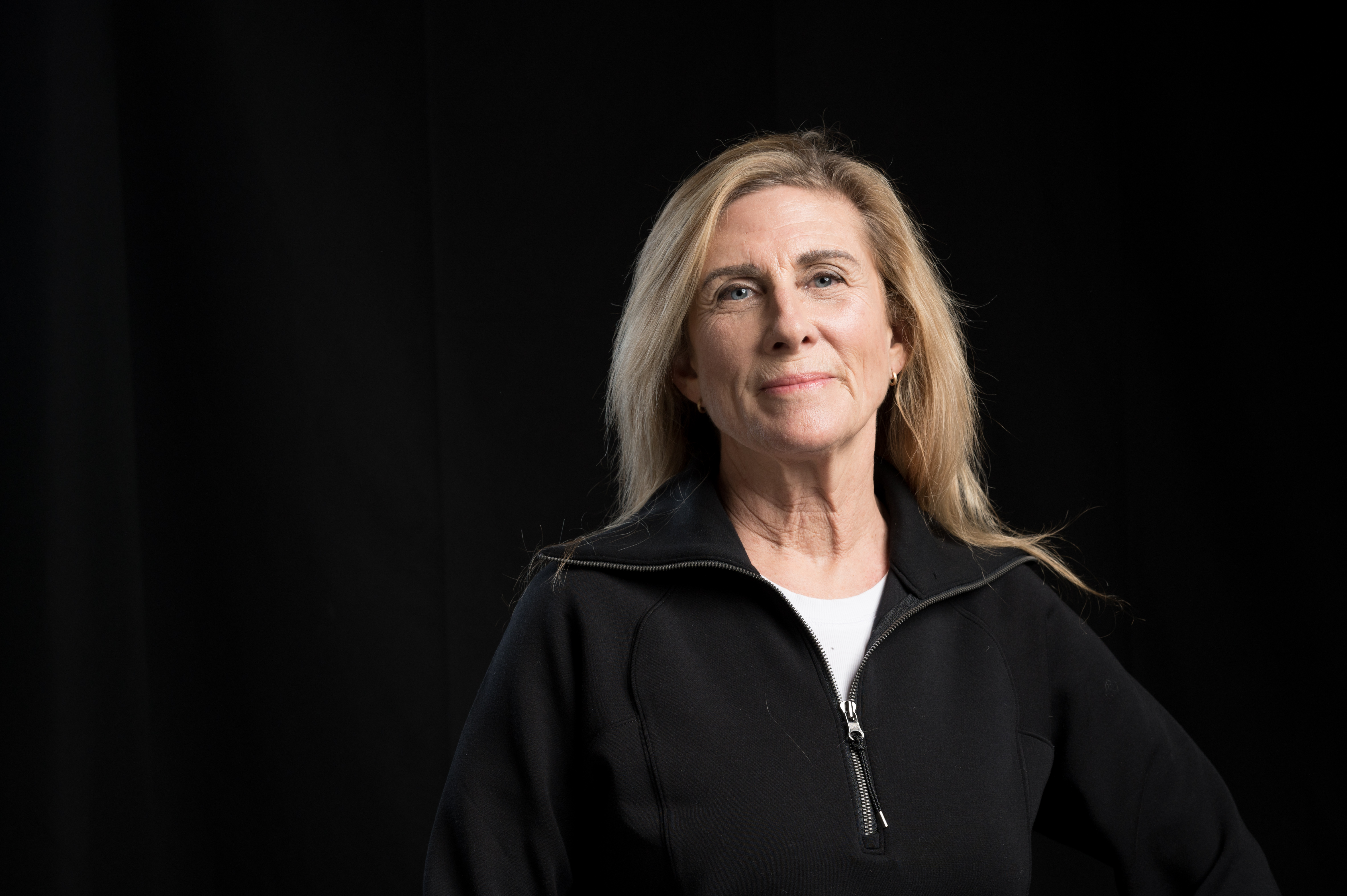
CEO/Host/Kinship Care Expert
Host - Grandparents Raising Grandchildren: Nurturing Through Adversity podcast.
Laura Brazan/ Kinship Care Expert- is the founder of The 2.7 Million Project and the voice of the Invisible CEO. After trading her own "planned retirement" for the high-stakes mission of kinship care, she now empowers grandparents to reclaim their identity as the chief executives of their family’s future. Laura provides the tactical frameworks and "Executive Soul" required to lead the next generation with resilience, intentionality, and a clear vision.