
The Science of Sanctuary: Trauma Recovery in Kinship Care | Ep. 126
The Redlining Motherboard: Translating Trauma Science into a Living Room Sanctuary
By Laura Brazan
I have a confession: I spent yesterday afternoon watching my plants grow.
I didn’t do it because I was ahead of schedule or because I was feeling particularly "zen." I did it because I was broken. I felt that familiar, gnawing guilt—the sense that if I wasn’t actively doing, I was failing the mission. But as I sat there, I realized I was experiencing a total system overload.
Like many of you, I have spent years trying to will myself out of exhaustion. We treat sleep and rest as luxury items, or rewards we only earn after every school form is signed and every trauma-induced tantrum is managed. But my conversation with Dr. Christal Badour hit me in the gut. She reminded me that we cannot support a child’s dysregulated brain if our own motherboard is redlining.
The Translator in the Boardroom
Dr. Badour is what I call a "Translator." After a decade as a high-level researcher at the University of Kentucky, she realized that the best trauma science was trapped behind academic paywalls while families in rural Appalachia were starving for real tools.
To build a Sanctuary, we have to understand the hardware. When a child (or a caregiver) is in a state of chronic stress, their nervous system is stuck in the Sympathetic branch—the "Fight or Flight" mode. You cannot run the "software" of healing, therapy, or education on a motherboard that is physically on fire.
Moving Past the "Moral Failing" Narrative
One of the most powerful shifts Dr. Badour advocates for is the Disease Reframe of Addiction. For too long, we’ve treated substance use as a moral failing or a lack of willpower.
Science tells a different story. Substances physically rewrite the brain's reward and risk structures. When we understand that addiction is a chronic disease—like diabetes or heart disease—the shame leaves the room. And when the shame leaves, the healing can finally start.
The Tactical Move: The "Heart Disease" Analogy
How do we talk to our grandkids about the parents they’ve lost to addiction without making it scary or taboo? Dr. Badour suggests talking about it early and honestly:
"Just like some families have a high risk for heart disease, our family has a risk for substance use disorder. It means we have to be extra careful with our choices because our brains are wired to react differently."
Why Your Rest is a Strategic Asset
We rarely talk about the biological impact of chronic sleep disturbance. Dr. Badour’s research shows that sleep loss makes our emotional "smoke detector" (the amygdala) hyper-reactive.
If you are the Invisible CEO of your home, your rest is the infrastructure that protects the entire family’s emotional core. Prioritizing your sleep isn't "wasting time"—it is protecting the most valuable asset on the balance sheet: You.
[🎧 LISTEN TO EPISODE #126: Dr. Christal Badour - The Science of Sanctuary]
The Toolbox: Tactical Moves
-
The 30-Minute Reclaim: If you are sleeping less than 6 hours, you are redlining. Drop one non-essential task today to buy back 30 minutes of rest.
-
The Dignity Audit: Look at your home or your grandchild's workspace. Is it "welcoming and warm" or "sterile and stressful"? Small changes in environment can signal safety to a traumatized brain.
-
The "Strength Domain" Pivot: If your grandchild is struggling in the "hustle culture" of school, find one area (animals, music, building) where they thrive. Build their identity there to offset the shame of the academic struggle.
Remember: You don’t owe anyone an explanation for how your family came to be. Your mission is to build a sanctuary where everyone—including you—has the biological support to thrive.
Keep nurturing, keep leading, and I’ll see you in the next boardroom.
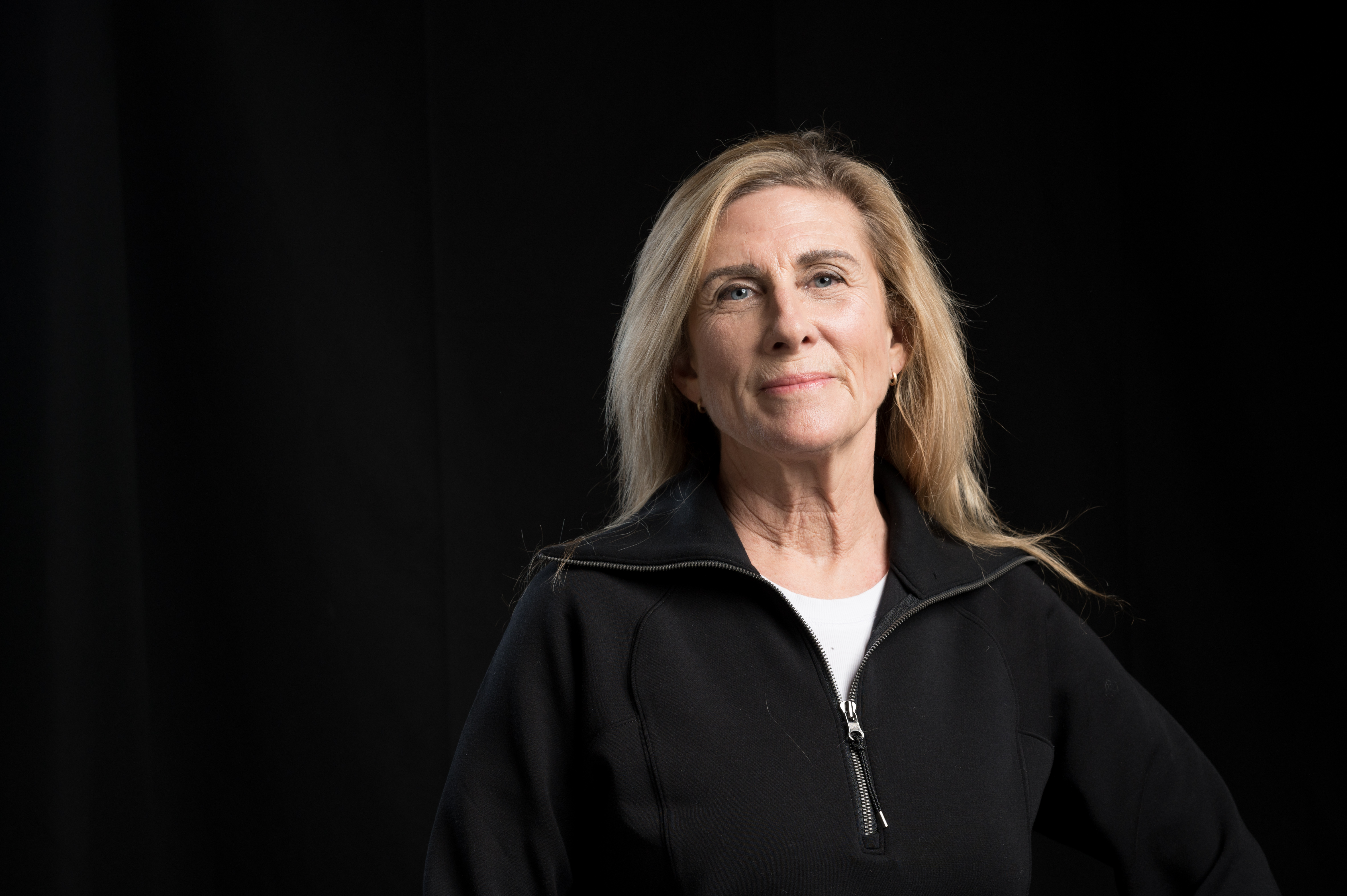
CEO/Host/Kinship Care Expert
Host - Grandparents Raising Grandchildren: Nurturing Through Adversity podcast.
Laura Brazan/ Kinship Care Expert- is the founder of The 2.7 Million Project and the voice of the Invisible CEO. After trading her own "planned retirement" for the high-stakes mission of kinship care, she now empowers grandparents to reclaim their identity as the chief executives of their family’s future. Laura provides the tactical frameworks and "Executive Soul" required to lead the next generation with resilience, intentionality, and a clear vision.