Unmasking the Foster Care System
For too long, the narrative around kinship care has been one of quiet endurance. We sit at our kitchen tables, absorbing the trauma of a broken system, stretching our budgets until they snap, and “making it work” while the state celebrates declining foster care numbers. Today we're unmasking the hidden foster care system.
Here is the hard truth: those numbers aren't declining—they are shifting. They are shifting onto the backs of grandfamilies who are often completely invisible to the programs that should be supporting them.
In Episode 130 of The 2.7 Million Project, I discuss with Dr. Ali Caliendo, founder of the Kinship Policy Lab and a titan in the fight for systemic reform. We didn’t just talk about the struggle; we analyzed the architecture of the system that created it.
The Illusion of “Prevention”
The child welfare system labels kinship care as “prevention.” By keeping children out of non-relative foster care, they claim success. But for the family, this isn't prevention—it is absorption. Family separation has still occurred. The trauma is real. And yet, because the system defines our sacrifice as “preventative,” it feels no obligation to fund our healing.
As Dr. Caliendo highlights, the disparity is stark. In many regions, for every one child in the formal foster care system, there are nearly 19 children being raised in “hidden” kinship care. We are the system. We are the solution. And it is time we stopped being treated like a free alternative to bad policy.
The Shift: Investing Upstream
We aren't asking for crumbs; we are demanding structural equity. Dr. Caliendo and I discussed a critical pivot: we must move from a reactive, downstream model—where we wait for crises like homelessness or incarceration to occur before offering intervention—to an upstream model.
What does that look like?
- Equitable Resource Allocation: Access to Medicaid, childcare subsidies, and housing support must be based on the needs of the child, not a legal loophole or a caseworker’s check-box.
- Redefining Success: We must stop measuring success by “closed cases” and start measuring it by the "quality of childhood" and the health of the caregiver.
- Holding Decision-Makers Accountable: We need to demand that our state leaders start counting separation, not just removal.
The Boardroom is Open
We are no longer the “Silent Army.” We are a National Rescue Mission. But I cannot write this Advocacy Manifesto alone. I need your experience to build our power.
I need your "Unified Ask."
If you have been in the trenches of kinship care, I want you to tell me: What is the one metric, the one question, or the one policy that, if changed, would have made your life easier since you became a grandparent raising your grandchild or grandchildren?
Don’t just listen to this episode. Join the movement.
- Leave a comment below: Tell us how the system has failed you and what you need to thrive.
- Send your story: Email us at laurabrazan@grandparents-raising-grandchildren.org or visit our website.
- Share this episode: Get this into the hands of other caregivers. The more of us who speak with one voice, the faster we force the boardroom to listen.
We are not just a safety net; we are the foundation of this nation’s families. It’s time we acted like it. Stay steady, stay strategic, and let’s get to work.
Listen to the full episode with Dr. Ali Caliendo now, and share your "Unified Ask" below—your voice is the blueprint for our future policy.
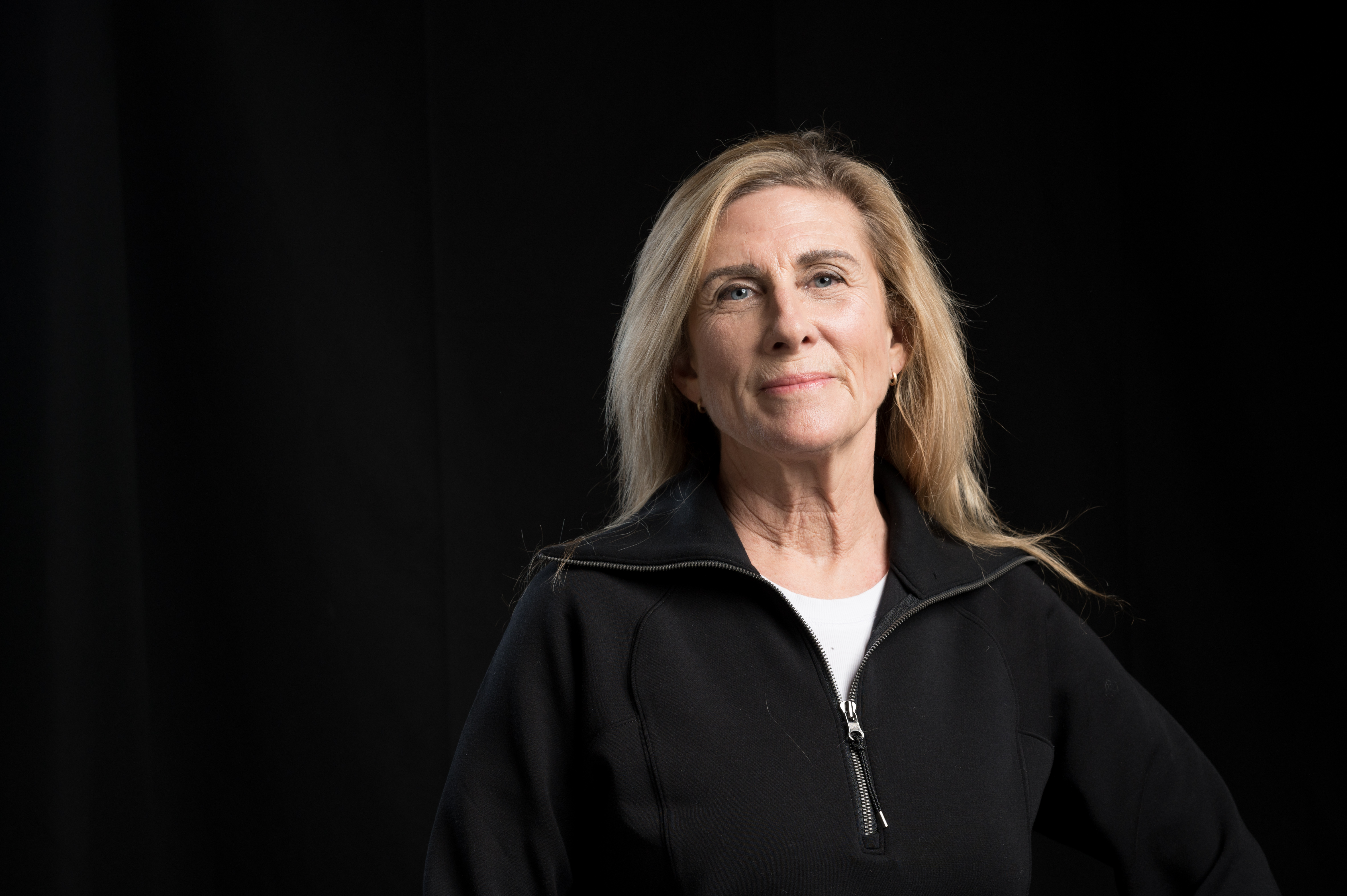
CEO/Host/Kinship Care Expert
Host - Grandparents Raising Grandchildren: Nurturing Through Adversity podcast.
Laura Brazan/ Kinship Care Expert- is the founder of The 2.7 Million Project and the voice of the Invisible CEO. After trading her own "planned retirement" for the high-stakes mission of kinship care, she now empowers grandparents to reclaim their identity as the chief executives of their family’s future. Laura provides the tactical frameworks and "Executive Soul" required to lead the next generation with resilience, intentionality, and a clear vision.