Why Falling Foster Care Statistics Hide the Hidden Kinship Care Crisis
When state governments announce a dramatic drop in foster care entries, it is routinely celebrated as a major victory for child welfare reform. However, this statistical drop is often an illusion masking a deeper hidden kinship care crisis. Rather than indicating that fewer children are experiencing family separation, lower numbers frequently mean that the burden has simply been shifted entirely onto grandparents and relative caregivers without financial support, institutional backing, or systemic recognition.
Key Takeaways
- State budget reductions in foster care often correlate directly with a massive spike in informal kinship placements.
- Labeling relative placements as "prevention" allows agencies to withhold critical financial stipends and medical resources from families.
- Administrative metrics focus heavily on case processing speed rather than measuring actual child well-being and caregiver economic security.
- Grandparents and relatives absorb billions of dollars in out-of-pocket costs to rescue children from failing bureaucratic machinery.
- True policy reform requires shifting accountability away from paperwork closure rates and toward long-term family stability.
The Dangerous Illusion of Lower Foster Care Numbers
For decades, politicians and child welfare administrators have relied on a simple metric to prove success: falling foster care numbers. When fewer children reside in the formal state-run foster system, agencies claim victory, citing successful family preservation efforts and reduced trauma. But for families actively navigating the realities of second-time parenting, this narrative feels entirely detached from reality.
The truth is that the children missing from official foster care ledgers have not vanished into stable, untouched nuclear homes. Instead, they are sitting in the spare bedrooms, living rooms, and converted home offices of grandparents, aunts, and uncles. When a family crisis occurs, caseworkers frequently bypass the formal foster care pipeline by pressuring or convincing relatives to step in immediately. While this emergency intervention keeps children out of the traditional group home and foster placement network, it also strips those same families of the financial safety nets afforded to licensed foster parents.
How the 'Prevention' Label Harms Kinship Families
At the heart of this statistical sleight of hand is a dangerous semantic trick: the classification of kinship care as "prevention." Bureaucrats argue that placing a child with a grandparent prevents them from ever entering the formal foster care system. Legally and practically, this categorization serves as a convenient loophole.
By labeling relative care as prevention, state agencies justify withholding the basic foster care stipends, specialized medical coverage, and therapeutic support services that are routinely granted to strangers who foster. The state claims the trauma has been "prevented" simply because a relative answered the emergency phone call in the middle of the night. Meanwhile, the grandparent faces shattered savings accounts, unexpected legal fees for custody battles, and the profound emotional exhaustion of picking up the pieces of systemic failure.
Administrative Metrics vs. Real Family Well-Being
Current child welfare frameworks are built on an outdated motherboard designed to evaluate administrative efficiency rather than human outcomes. State evaluations measure success through paperwork closure rates, hearing timelines, and the speed at which a caseworker processes a file.
Notice what is entirely missing from these calculations: the actual quality of the child's healing, the mental health and burnout levels of the aging caregiver, and the long-term economic security of the household. When a system measures compliance instead of well-being, it inherently exploits the deep-seated love and obligation that relatives feel for their family members. Grandparents will unhesitatingly spend their retirement savings to protect a grandchild, and the current system relies entirely on this selfless sacrifice to balance its annual budget.
The True Cost of Absorbing Systemic Failure
When relatives take in children who have experienced profound trauma, abandonment, or the impacts of parental addiction, they do not just absorb an emotional responsibility—they absorb an immense financial shock. Diapers, specialized therapies, educational advocacy, and legal guardianship proceedings cost thousands of dollars. When state budgets celebrate a reduction in foster care expenditures, those savings are essentially being subsidized by the retirement funds, home equity, and credit cards of vulnerable senior citizens.
This dynamic creates a hidden underclass of caregivers who are treated as invisible data points in a caseworker's folder. They are expected to function as the primary shock absorbers of a broken system while receiving zero structural support or public recognition.
Building a New Framework for Kinship Families
Moving past crisis management requires a complete structural overhaul. We cannot simply patch an obsolete system with minor funding increases or superficial caseworker training updates. We need a fundamental redefinition of what family care and child trauma actually mean in the modern era.
Advocacy efforts must pivot toward holding lawmakers accountable for the full spectrum of kinship care—both formal and informal. Grandparents and relative caregivers are not merely a cheap alternative to the foster care machine; they are the resilient bedrock of our society. Recognizing their value means demanding equitable financial support, accessible legal resources, and trauma-informed mental health services that treat kinship families with the dignity and respect they have always deserved.
Conclusion: Joining the Movement for Real Change
The era of silently absorbing the fallout of a failing child welfare system is over. Grandparents and relative caregivers are stepping out of the shadows and demanding that their tireless labor be recognized as vital, front-line leadership. If you are navigating the complexities of relative caregiving, you do not have to carry this heavy burden in isolation. To hear a deeper discussion on why falling foster care numbers are a dangerous illusion and how experts are fighting back, listen to the full episode and join a community dedicated to turning kitchen-table struggles into sweeping policy reform.
Frequently Asked Questions
Why are falling foster care numbers considered a dangerous illusion?
When foster care entries drop, it often means children are simply being placed informally with relatives rather than entering the formal state system. This allows state agencies to look like they are saving money while quietly dumping the financial and emotional burden onto grandparents without providing traditional foster care stipends or resources.
How does the child welfare system use the term 'prevention' against kinship caregivers?
Agencies label relative placements as 'prevention' to argue that children have been saved from entering foster care. This legal classification allows the government to avoid paying kinship caregivers the same financial support and medical benefits that licensed, non-relative foster parents receive.
What metrics should child welfare systems use instead of administrative compliance?
Instead of measuring paperwork closure rates, case processing speeds, and hearing timelines, child welfare systems should evaluate the actual quality of childhood, child trauma recovery, caregiver mental health, and household economic stability.
Why do grandparents end up burning through their life savings in kinship care?
Because informal and formal kinship placements often lack adequate state funding, grandparents must pay entirely out of pocket for essential child-rearing costs, legal representation for custody battles, and specialized trauma therapies, forcing many to tap into their retirement funds and home equity.
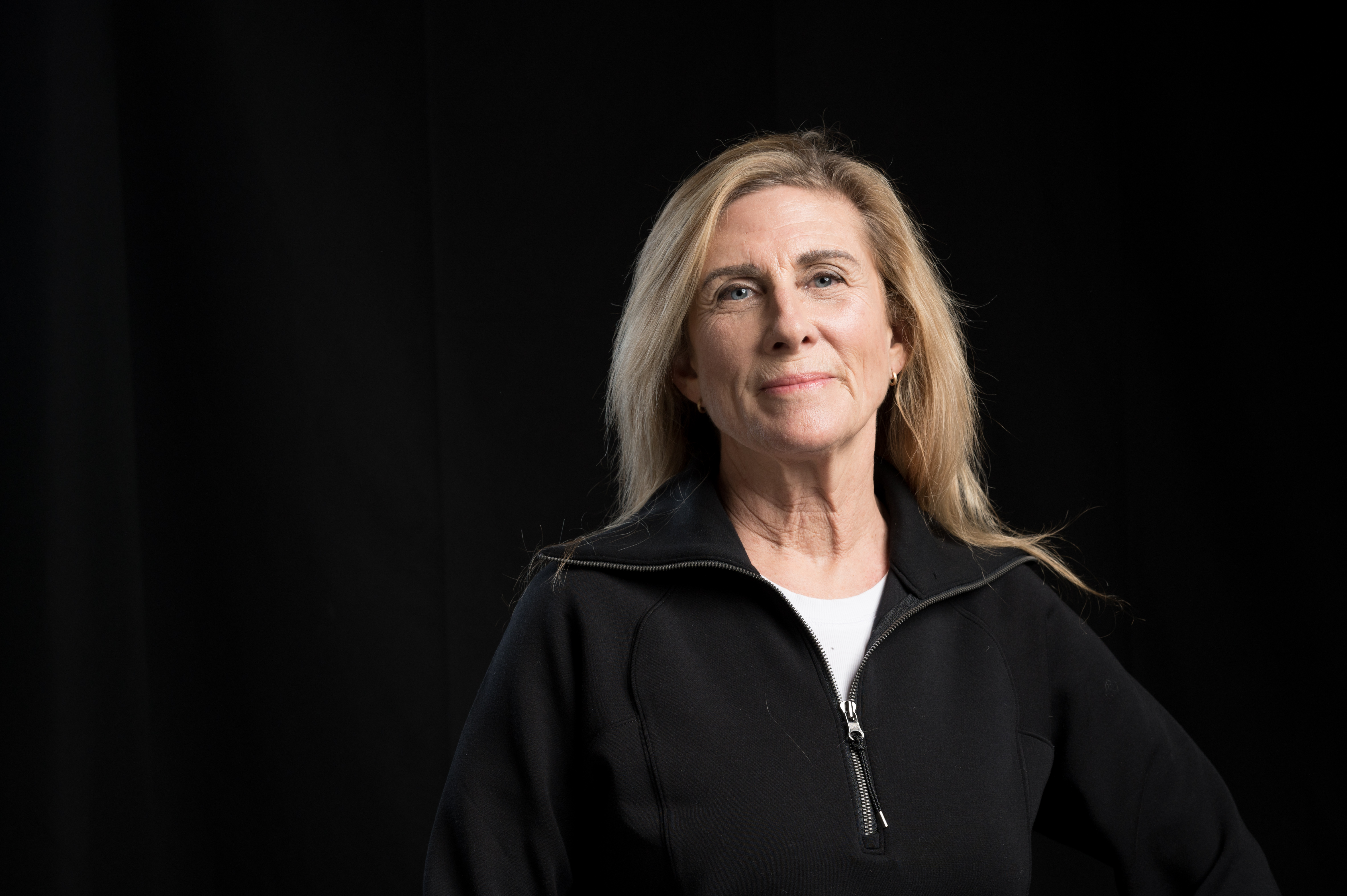
CEO/Host/Kinship Care Expert
Host - Grandparents Raising Grandchildren: Nurturing Through Adversity podcast.
Laura Brazan/ Kinship Care Expert- is the founder of The 2.7 Million Project and the voice of the Invisible CEO. After trading her own "planned retirement" for the high-stakes mission of kinship care, she now empowers grandparents to reclaim their identity as the chief executives of their family’s future. Laura provides the tactical frameworks and "Executive Soul" required to lead the next generation with resilience, intentionality, and a clear vision.