The Executive Soul: Episode #95
From Foster to Forever: Leading Through the "Warrior Heart" of Adoption
What happens when a "temporary rescue mission" becomes a lifelong commitment? In this episode, Laura sits down with Rachel Fulginiti, who spent a decade navigating the fractured foster-to-adopt system. Together, they discuss the radical creativity required to parent when you’re nearly 70, the "Warrior Heart" needed to face a broken system, and why the most natural solution to a societal crisis is often found outside the traditional box.
Listen to the Boardroom Session
The Raw Truth: From My Journal
"At 64, Tom and I were looking at a quiet retirement in the mountains of Montana. Two years later, we are nearly 70, living in Louisiana, and facing the reality that our grandchildren are now our children. I’m mourning the quiet mornings I thought I earned, but as Rachel and I discussed today, sometimes you have to do the right thing and change course, even when the wind is against you. We aren't just babysitting; we are rewriting history by choosing to stay."
The Toolbox: 3 Tactical Moves
Rachel and Laura share how to maintain executive control when the system is dysfunctional:
-
The "Wait and See" Strategy: You don’t have to decide on legal permanency (adoption) on day one. Ensure the children are safe, get your bearings, and let the situation breathe before forcing a lifelong legal decision.
-
The Creative Roster: If you can’t get down on your knees to play for three hours, don't. Build a "Tribal Village" by hiring high school or college-aged sitters who have the energy you lack. You are the CEO; you don't have to be the entire staff.
-
Emotional Sobriety: Treat the dysfunctional foster system like a "disturbed person." Work your own program, keep your side of the street clean, and practice Zen and the Art of Being Present. Your mantra: "Right now, we are together."
The 2.7 Million Research Note (Gender & Race)
Rachel highlights the specific complexity of transracial adoption, noting that a child needs representation and examples of authority figures who share their culture.
Key Fact: Kinship care often mirrors broader societal disparities. In the U.S., Black children are represented in the foster care system at a rate of 1.6 to 2 times their proportion in the general population. This makes "conscious culture building" a critical executive task for the kinship caregiver.
Guest Resources
-
Podcast: From Foster to Forever (Available on Apple/Spotify)
-
Website:
FromFoster2Forever.com -
Mentorship: Rachel Fulginiti’s 1-on-1 Support for Kinship Families.
The Reflection Room
Your Weekly Challenge: Rachel talked about living in the "what is." Ask yourself: Am I fighting the reality of my situation, or am I leading with it? One is exhausting; the other is empowering. Identify one chore or activity that drains your battery and find a creative way to delegate it this week.
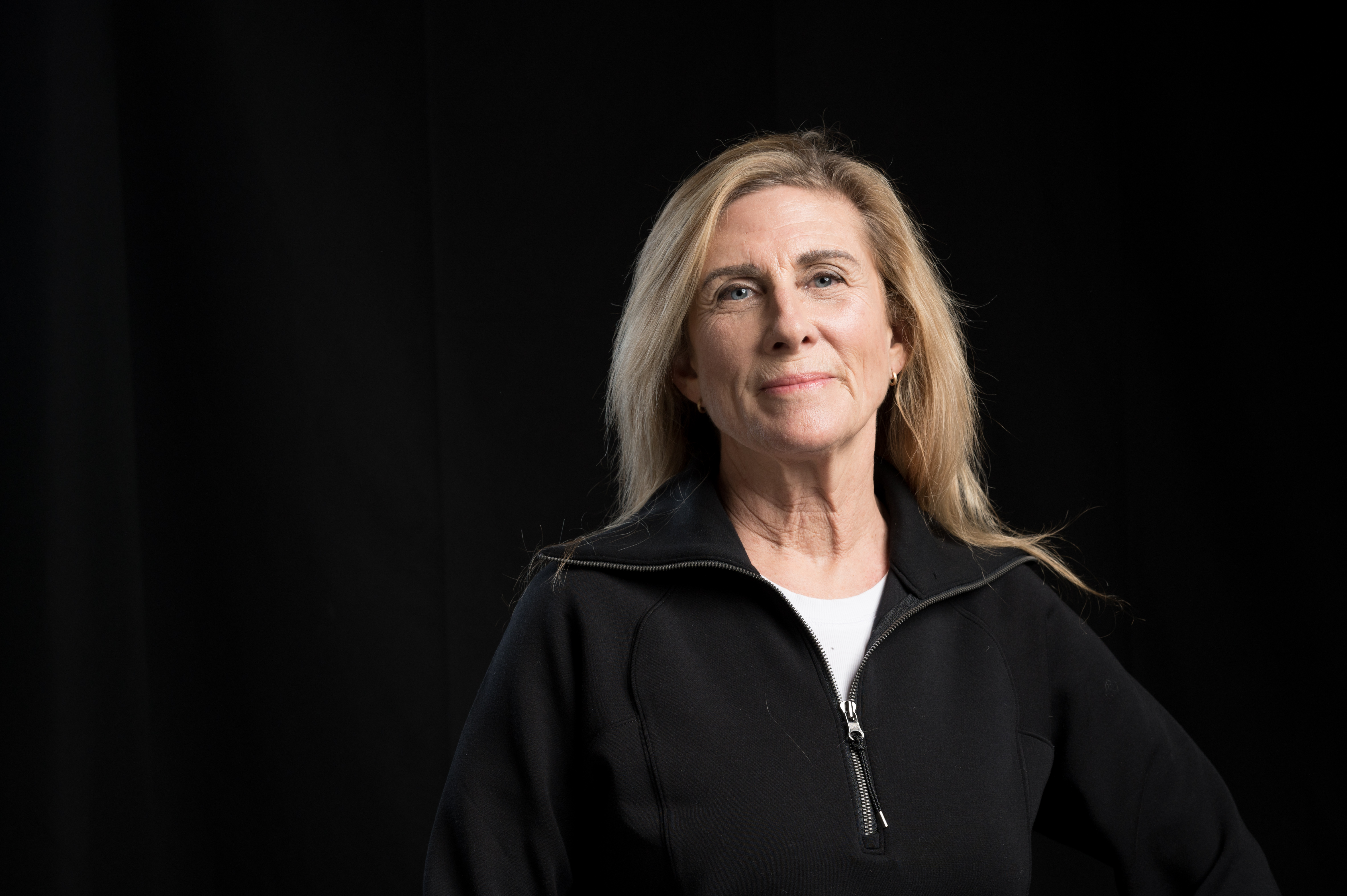
CEO/Host
Host- Host / Grandparents Raising Grandchildren: Nurturing Through Adversity podcast.
Laura Brazan is the founder of The 2.7 Million Project and the voice of the Invisible CEO. After trading her own "planned retirement" for the high-stakes mission of kinship care, she now empowers grandparents to reclaim their identity as the chief executives of their family’s future. Laura provides the tactical frameworks and "Executive Soul" required to lead the next generation with resilience, intentionality, and a clear vision.