Mastering Co-Regulation for Kinship Caregivers| Ep 105
The Bear in the Bathroom Mirror
In the corporate world, trying to run modern, high-speed software on an outdated motherboard leads to a total system crash. In the world of the Invisible CEO, we face a similar crash when the "Old-School" parenting model we were raised with meets the high-intensity, trauma-impacted nervous systems of our grandchildren.
In Episode 105, I’m joined by Melissa Schulz, a Master Behavior Analyst who has spent 20 years helping families navigate neurodiversity and trauma. We discuss why "compliance-based" parenting fails today’s children and how the GUIDE Process can help you reclaim your home’s emotional infrastructure.
🎧 LISTEN TO THE EPISODE HERE
The Raw Truth: Is it a Bear, or is it a Brush?
This morning, the "bear" in my house was a hairbrush. My granddaughter Athena, who navigates sensory processing challenges, threw the brush down in a moment of pure frustration. Usually, that’s when my "Old-School" motherboard starts to smoke. I feel the "fight" coming on—the urge to demand respect and immediate compliance.
But today, I practiced the Executive Pause. I realized the "bear" I was fighting (the fear of a morning devolved into tears) was in my own imagination. By staying regulated and inviting Athena to breathe with me, we found a strategic compromise. We traded a battle for a hug. That is the ROI of staying in your "Calm Bubble."
The Boardroom Brief: Key Insights from Melissa Schulz
The "Socks vs. Bears" Audit: Chronic stress makes our brains treat a minor inconvenience like a mortal threat. Learning to distinguish the two is your most vital leadership skill.
Co-Regulation as Strategy: Your grandchild’s nervous system is looking to yours for its "settings." If you aren't regulated, they can't be.
The Identity Pivot: Melissa discusses how moving away from "Toxic Positivity" allows us to actually manage the feelings that lead to better behavior.
The Toolbox: The GUIDE Process
Gather Data: Stop fighting every fire. Pick one recurring friction point and track the patterns.
Understand Triggers: Identify what "snaps" your connection and work to remain neutral.
Identify the Cause: Behavior is communication. What is the child trying to tell you?
Develop Skills: Teach the child the "How" of regulation during calm moments.
Evaluate & Respond: Stay in your "Calm Bubble" to allow for co-regulation.
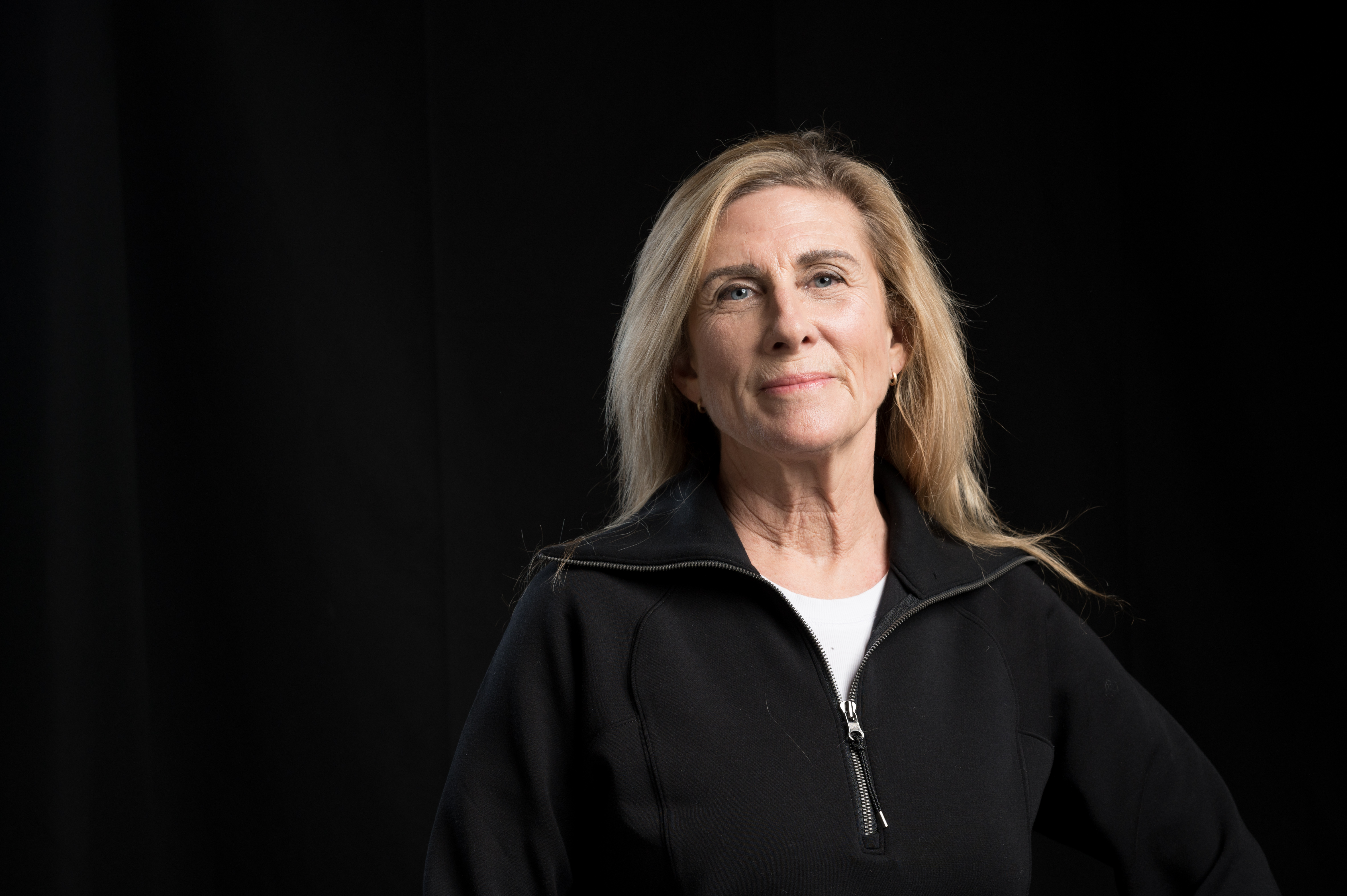
CEO/Host/Kinship Care Expert
Host - Grandparents Raising Grandchildren: Nurturing Through Adversity podcast.
Laura Brazan/ Kinship Care Expert- is the founder of The 2.7 Million Project and the voice of the Invisible CEO. After trading her own "planned retirement" for the high-stakes mission of kinship care, she now empowers grandparents to reclaim their identity as the chief executives of their family’s future. Laura provides the tactical frameworks and "Executive Soul" required to lead the next generation with resilience, intentionality, and a clear vision.